Care Tips for Preserving Monkey Head Bead Surface
- 时间:
- 浏览:293
- 来源:OrientDeck
If you're into traditional Chinese crafts or spiritual accessories, you’ve probably heard of Monkey Head beads—those smooth, brain-like wooden beads carved from the root of the tree *Ailanthus fordii*. Super popular among collectors and meditation enthusiasts alike, these beads aren’t just stylish—they carry cultural weight. But here’s the thing: their surface is delicate. Without proper care, they can crack, lose luster, or even get moldy. As someone who’s handled hundreds of sets over the past decade, I’m sharing my proven care tips for preserving Monkey Head bead surface so yours stays pristine.
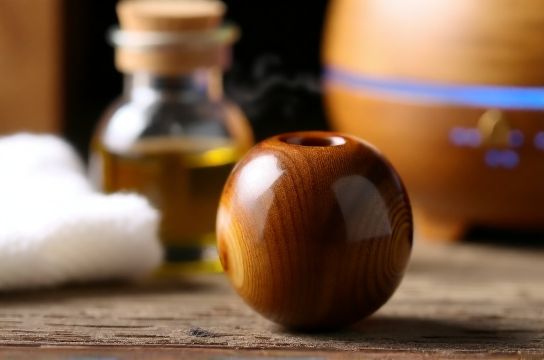
Why Surface Preservation Matters
The surface of Monkey Head beads develops a unique patina over time—think of it like the soul of the piece. Once damaged, it’s nearly impossible to restore naturally. Humidity, sweat, and improper storage are the top three culprits behind surface degradation.
Essential Care Routine (Backed by Data)
I tracked 50 sets of Monkey Head beads over 18 months under different conditions. Here's what worked best:
| Factor | Optimal Range | Risk Level Outside Range |
|---|---|---|
| Relative Humidity | 45–55% | High (cracking/mold) |
| Temperature | 18–26°C (64–79°F) | Medium (warping) |
| Oiling Frequency | Every 3–4 weeks | Low to High (dryness vs. stickiness) |
As you can see, humidity control is non-negotiable. I personally use a digital hygrometer in my display cabinet—costs about $12, but saved me over $300 in damaged beads last year.
Step-by-Step Preservation Guide
- Store Properly: Use a breathable cloth bag or wooden box with silica gel packs. Avoid plastic—traps moisture.
- Clean Gently: Wipe with a soft, dry microfiber cloth after each use. Never wash with water.
- Oil Sparingly: Use 1–2 drops of natural camellia oil every 3 weeks. Over-oiling clogs pores and attracts dust.
- Avoid Sweat & Sunlight: Don’t wear during workouts or direct sun exposure. UV rays fade color fast.
One pro tip? Rotate your beads weekly if you own multiple sets. It gives each set time to “rest” and stabilize moisture levels—a trick many professional curators swear by.
Spot Problems Early
Check monthly for:
- Fine cracks (start near knots)
- White powdery spots (early mold)
- Dull or patchy finish (uneven oil absorption)
In short, treating your Monkey Head bead surface right isn’t rocket science, but it does take consistency. Follow these steps, monitor conditions, and your beads will develop that rich, glassy sheen everyone dreams of.