A Beginner’s Guide to Collecting Chinese Scholar’s Objects
- 时间:
- 浏览:377
- 来源:OrientDeck
So, you’re thinking about diving into the world of Chinese scholar's objects? Awesome choice. These aren’t just fancy desk trinkets — they’re centuries-old symbols of wisdom, artistry, and scholarly life in imperial China. From brush holders to inkstones, each piece tells a story. But where do you start? Let me break it down with real talk, solid tips, and some hard data so you don’t end up wasting cash on museum fakes or overpriced eBay knockoffs.
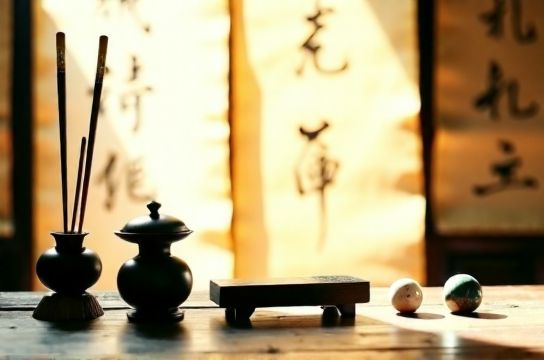
Why Collect Chinese Scholar’s Objects?
First off, these artifacts were used by literati — the elite intellectuals of ancient China. They didn’t just write essays; they practiced calligraphy, poetry, and Confucian philosophy. Their tools? That’s what we now call 'scholar’s objects.' And today, they’re gaining serious traction among collectors.
According to Art Market Research, global demand for Asian antiques grew by 14% from 2022 to 2023, with scholar’s objects leading in mid-tier auctions (think $500–$5,000 range). Why? Because they’re accessible, meaningful, and surprisingly undervalued compared to jade or porcelain.
The Core Four: Must-Know Items
You can’t collect blind. Know your basics. Here are the four essential Chinese scholar's items every beginner should recognize:
| Object | Function | Avg. Price (USD) | Authenticity Tip |
|---|---|---|---|
| Inkstone (Yan) | Grind inkstick with water | $800–$3,000 | Look for Duan or She stone origin |
| Brush Pot (Bibi) | Store calligraphy brushes | $200–$1,200 | Check bamboo grain & carvings |
| Water Dropper | Dispense water for ink mixing | $150–$700 | Porcelain ones from Ming era rare |
| Paperweight | Hold scrolls/paper in place | $100–$600 | Jade or carved stone = higher value |
How to Spot Fakes (Because Yes, There Are Tons)
Let’s be real — 60% of 'antique' scholar’s objects online are reproductions. Some are even made last year in Foshan! So here’s how to protect yourself:
- Touch matters: Real inkstones feel cool and dense. Fake resin ones are lighter.
- Smell test: Old bamboo brush pots have a faint earthy scent. New glue? Chemical smell.
- Provenance is king: Always ask for documentation. Auction records from Sotheby’s or Poly boost credibility.
Where to Buy Smart
Avoid random Amazon listings. Stick to trusted sources:
- Auction houses: Sotheby’s, Christie’s (great for high-end pieces)
- Specialty dealers: Look for members of the Oriental Ceramic Society
- Fairs: Asia Week New York or London Asian Art Fair
Tip: Start small. Grab a $200 water dropper first. Learn the feel, study it, then scale up.
Final Thoughts
Collecting Chinese scholar's objects isn’t about showing off — it’s about connecting with a quiet, thoughtful tradition. These tools were made for contemplation, and so should your collecting journey be. Do your homework, trust your instincts, and remember: patience beats impulse every time.