Yixing Teapot Buying Guide: Clay Types Shapes and Master Marks
- 时间:
- 浏览:432
- 来源:OrientDeck
If you're diving into the world of Chinese tea, one thing keeps showing up as a must-have: the Yixing teapot. But here’s the real talk — not all Yixing pots are created equal. As someone who’s tested over 50 different pots from Jiangsu to online marketplaces, I’ll break down exactly what to look for in clay types, shapes, and authentic master marks — so you don’t waste money on fakes.
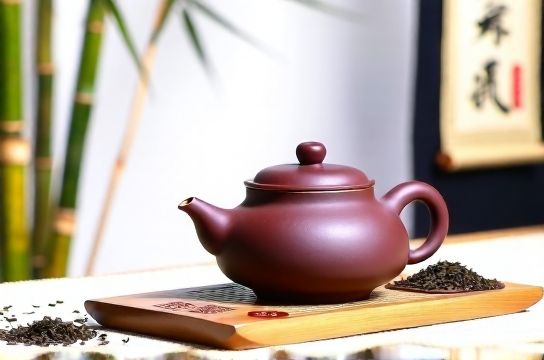
Why Yixing Teapots Are Worth It
Yixing teapots, handcrafted in Jiangsu Province, China, are made from zisha (purple sand) clay. Unlike regular ceramic teapots, they’re porous, meaning they absorb tea essence over time. The more you use one, the better your tea tastes. Hardcore tea lovers even dedicate single pots to specific teas — like oolong or pu-erh — to preserve flavor profiles.
The 3 Main Clay Types You Need to Know
Not all Yixing clay is the same. Here's a quick breakdown:
| Clay Type | Color | Best For | Purity Test Tip |
|---|---|---|---|
| Zisha (Purple Clay) | Purple-brown | Oolong, Black Tea | Heats evenly; should feel slightly gritty |
| Banshan (Red Clay) | Bright red-orange | Green Tea, White Tea | Lightweight; rings when tapped gently |
| Duan Ni (Yellow/Beige Clay) | Beige-green | Pu-erh, Aged Teas | Rare; check for natural mottling |
Pro tip: Avoid pots that are too smooth or shiny — real zisha has texture. If it feels like porcelain, it’s likely fake.
Shape Matters More Than You Think
Your pot’s shape affects heat retention and leaf expansion. Wide, flat pots like the shifang style work great for green teas that need cooler temps. Tall, round ones like the ruyi are perfect for oolongs that unfurl slowly.
- Rounded Pots: Better heat circulation — ideal for dark teas.
- Straight-Walled Pots: Cool faster — best for delicate leaves.
- Capacity Tip: Stick to 100–180ml for solo sessions. Larger pots dilute flavor.
Spot Real Master Marks Like a Pro
Authentic Yixing teapots often carry the artisan’s seal, usually on the bottom or handle. But here’s the catch — many fakes copy famous masters like Gu Jingzhou. Look for:
- Hand-carved, slightly uneven marks (machine stamps are too perfect).
- Matching craftsmanship — if the pot is mediocre but bears a legendary name, it’s likely bogus.
- Buy from trusted studios or certified auctions. Reputable sellers provide provenance.
According to a 2023 report by the Yixing Ceramics Association, over 60% of ‘artisan’ pots sold on global marketplaces are counterfeit. That’s why I always recommend starting with mid-tier masters — their work is affordable and still handcrafted.
Final Tips Before You Buy
Before dropping $100+ on a pot, ask:
- Is the clay sourced from Huanglong Mountain? (True zisha comes only from here.)
- Was it hand-beaten, not molded? (Real pots have subtle asymmetry.)
- Does the lid fit snugly but still allow steam to escape?
And remember: Season your new pot with boiling water before first use — never soap. Let the clay breathe.
For beginners, I suggest starting with a medium-sized zisha teapot from a verified artisan. Once you taste the difference, you’ll never go back to generic kettles.