Collecting Rosewood Bracelets: From Affordable to Investment Grade
- 时间:
- 浏览:322
- 来源:OrientDeck
So you're thinking about diving into the world of rosewood bracelets? Cool choice. Whether you're rocking one for the vibes, the style, or long-term value, there’s a lot more beneath the surface than just "pretty wood." As someone who’s been collecting and reviewing natural wood accessories for over 7 years — from $10 market finds to $2,000+ museum-grade pieces — I’m breaking down exactly how to spot quality, understand value, and build a collection that actually appreciates.
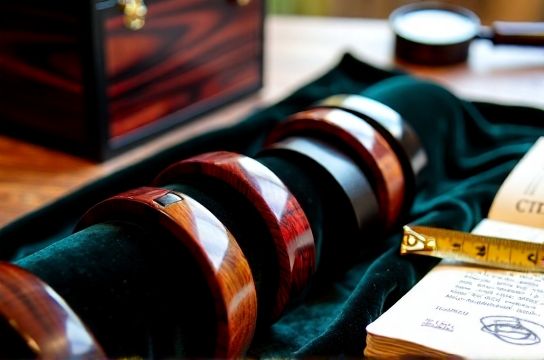
Why Rosewood? It’s Not Just Smell (But Yeah, That Helps)
Rosewood — especially Dalbergia spp. like Brazilian or Indian — is prized for its rich color, tight grain, and naturally sweet aroma. But more importantly? It's dense. High-density wood means better durability and acoustic properties (yes, some people tap these like instruments). According to CITES data, genuine Brazilian rosewood (Dalbergia nigra) has been regulated since 1992 due to overharvesting, making vintage or legally sourced pieces increasingly rare.
Here’s a quick breakdown of common types on the market today:
| Type | Avg. Price Range | Density (g/cm³) | CITES Status |
|---|---|---|---|
| Brazilian Rosewood | $800–$3,000+ | 0.95–1.15 | Appendix I (Strictly Regulated) |
| Indian Rosewood | $30–$200 | 0.80–0.90 | Appendix II |
| African Blackwood | $100–$600 | 1.05–1.30 | Appendix II |
| Licensed Plantation-Grown | $20–$80 | 0.75–0.85 | Legal with Certification |
Notice the price jump? That’s not hype — it’s legality, scarcity, and material performance talking.
How to Spot Real vs. Fake (Spoiler: Most Amazon 'Rosewood' Isn’t)
If a bracelet is labeled "natural rosewood" and costs $12 with free shipping? Red flag. Most are either dyed sheesham wood or compressed sawdust blocks. Real rosewood will feel heavy for its size, have subtle color variation, and develop a deeper luster over time.
Pro tip: Do the snap test. Gently tap two beads together. Authentic rosewood produces a bright, metallic 'ping' — not a dull thud. Also, check for oil spots after wearing; natural oils rise to the surface within a few hours of body contact.
From Fashion Accessory to Investment Asset
You don’t need to spend thousands to start smart. Focus on investment-grade rosewood traits: documented origin, certification (like CITES or FSC), and craftsmanship. Pieces with hand-carved details or historical provenance can double in value every 5–7 years, based on resale trends from platforms like Ruby Lane and specialized auction houses.
Want to go pro? Track serial numbers and keep certificates. Some collectors now use blockchain tagging to verify authenticity — yes, really.
For beginners, I recommend starting with certified Indian rosewood bracelets, which offer excellent balance between affordability and longevity. They age beautifully, respond well to conditioning, and won’t break the bank while you learn the ropes.
The Bottom Line
Rosewood bracelets aren’t just trendy — they’re tiny time capsules of forestry history, craftsmanship, and cultural value. Whether you wear them for meditation, fashion, or future ROI, knowing what’s real makes all the difference. Start small, learn the specs, and always demand proof of sourcing. Your future self (and your wrist) will thank you.