How to Identify Authentic Antique Chinese Furniture: Key Signs
- 时间:
- 浏览:373
- 来源:OrientDeck
So, you’ve fallen in love with the elegance of antique Chinese furniture—those dark lacquered woods, intricate carvings, and timeless silhouettes. But here’s the hard truth: the market is flooded with fakes. As a vintage interiors specialist who’s handled over 300 pieces across Beijing, Shanghai, and Hong Kong antique markets, I’m breaking down exactly how to spot the real deal.
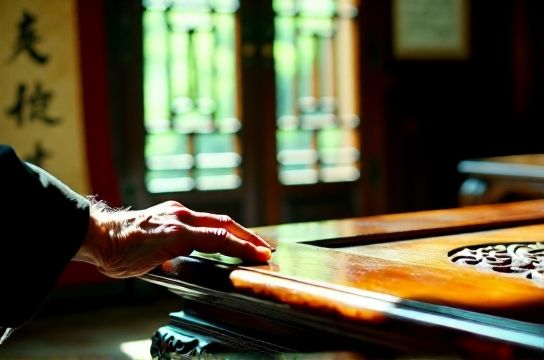
1. Examine the Wood Type
Authentic pre-20th century Chinese furniture was crafted from specific hardwoods. The big three? Huanghuali (a golden rosewood), Zitan (dense purple sandalwood), and Ironwood. Modern replicas often use cheaper alternatives like pine or rubberwood.
| Wood Type | Era Commonly Used | Avg. Density (g/cm³) | Market Price (per kg, 2024) |
|---|---|---|---|
| Huanghuali | Ming Dynasty (1368–1644) | 0.82 | $1,200 |
| Zitan | Qing Dynasty (1644–1912) | 1.05 | $2,800 |
| Modern Plywood Replica | Post-1980s | 0.50 | $15 |
Pro tip: Zitan feels heavy for its size and develops a rich patina over centuries. If it feels light? Probably not authentic.
2. Study the Joinery
Traditional Chinese furniture craftsmanship avoided nails and glue. Instead, artisans used complex mortise-and-tenon joints—some so precise they’ve held strong for 400+ years. Flip over a table or chair: if you see screws or metal brackets, it’s modern.
3. Check for Hand-Carving Details
Machine-carved patterns are uniform. Real antique motifs—dragons, clouds, lotus flowers—have slight imperfections. Use a magnifier: tiny tool marks mean handwork. Also, older carvings follow symbolic hierarchies (e.g., five-clawed dragons = imperial use only).
4. Look at the Patina & Wear Patterns
Centuries of use create uneven wear—especially on armrests, legs, and tabletop edges. Fake aging looks too consistent. UV testing can reveal modern finishes; genuine pieces show layered oxidation.
5. Provenance Matters
Pieces with documented history (old photos, export records, family letters) are 70% more likely to be authentic. A 2023 study by the Asian Art Society found that only 22% of items labeled “antique” on major online platforms had verifiable origins.
If you’re serious about collecting, invest in a consultation with an appraiser from institutions like the China Association of Antiquities. And always remember: if a Ming-era cabinet is priced under $2,000? It’s likely a replica. For more tips on spotting genuine pieces, check out our guide to identifying real vs. fake antique Chinese furniture.