Symbolism in Chinese Carvings: Bats Dragons and Peaches Explained
- 时间:
- 浏览:387
- 来源:OrientDeck
If you’ve ever wandered through a traditional Chinese art market or browsed antique furniture online, you’ve probably noticed recurring symbols carved into wood, jade, or porcelain—bats, dragons, peaches. At first glance, they might seem purely decorative, but in Chinese culture, these aren’t just pretty designs—they’re loaded with meaning. As someone who’s spent over a decade studying East Asian art and symbolism, let me break down what these carvings really mean—and why they still matter today.
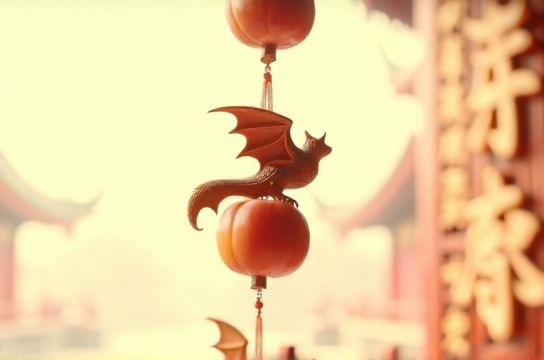
Why Symbols Rule in Chinese Art
In Chinese tradition, visual symbols are a language of their own. Rather than writing out wishes for luck or longevity, artisans embed them into everyday objects through symbolism in Chinese carvings. It’s subtle, elegant, and deeply rooted in centuries of philosophy, folklore, and wordplay.
Bats: Yes, Really—They’re Lucky
Hold up—bats? The same creatures associated with horror movies? In the West, maybe. But in China, the bat (蝠, fú) is a homophone for “good fortune” (福, also fú). So seeing one—or five—is a blessing, not a fright.
Five bats? That’s the ultimate combo. They represent the Five Blessings: longevity, wealth, health, love of virtue, and a peaceful death. You’ll often see them circling a central character like shòu (寿, longevity) on screens, snuff bottles, or robe buttons.
Dragons: Power with Purpose
No list of Chinese symbols would be complete without the dragon. But this isn’t Smaug from The Hobbit. Chinese dragons symbolize imperial authority, strength, and good luck—especially in water-related matters (they’re seen as rain bringers).
During the Ming and Qing dynasties, only the emperor could wear the five-clawed dragon. Commoners used four- or three-clawed versions to avoid punishment. Today, dragon motifs appear in everything from temple beams to modern jewelry.
Peaches: Not Just a Fruit
The peach, especially the Pan Tao or ‘peach of immortality’, comes from Daoist mythology. It ripens once every 3,000 years in the garden of Xi Wangmu (the Queen Mother of the West). Eating it grants eternal life.
In carvings, a plump peach often appears alongside cranes or deer—other longevity symbols. You’ll spot them on birthday gifts, snuff bottles, and even architectural brackets.
Quick Symbol Guide (With Meanings)
| Symbol | Chinese Character | Meaning | Common Use |
|---|---|---|---|
| Bat | 蝠 (fú) | Good fortune | Furniture, textiles, jade pendants |
| Dragon | 龙 (lóng) | Power, luck, imperial authority | Imperial robes, temples, architecture |
| Peach | 桃 (táo) | Longevity, immortality | Birthday items, carvings, paintings |
This table isn’t just academic—it’s practical. If you're buying or identifying antiques, knowing these symbols helps you spot fakes or understand an item’s original purpose.
Modern Relevance: More Than Antique Talk
Today, designers still use these symbols—not just in museums, but in fashion, home decor, and branding. Gucci, for example, has referenced bat motifs in silk scarves. Understanding Chinese carving symbolism gives you an edge whether you're collecting, decorating, or simply appreciating the culture.
So next time you see a bat on a screen or a dragon on a teapot, don’t scroll past. There’s a story—and a wish—hidden in plain sight.