The Art of Chinese Cloisonné (Jingtai Blue): A 600-Year History
- 时间:
- 浏览:448
- 来源:OrientDeck
If you’ve ever laid eyes on a vibrant blue Chinese vase with intricate metal wires outlining delicate floral patterns, you’ve seen Cloisonné—or as it’s traditionally known in China, Jingtai Blue. This isn’t just art; it’s history frozen in enamel. And trust me, after diving deep into centuries of craftsmanship, I can tell you: this is one cultural treasure that deserves your full attention.
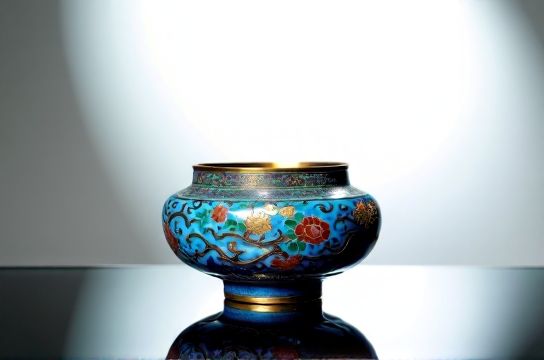
Originating during the Yuan Dynasty and peaking in the Ming Jingtai period (1450–1457), Cloisonné became a symbol of imperial luxury. But here’s the kicker—it wasn’t even originally Chinese. The technique likely came from Byzantium via the Silk Road. Yet, the Chinese didn’t just adopt it—they perfected it.
By the time of Emperor Jingtai, artisans were using a signature cobalt-blue enamel that gave the craft its enduring name. Fast forward to today, and authentic Chinese Cloisonné pieces are still made using nearly the same painstaking process:
- Shaping a copper or bronze base
- Bending fine silver or copper wires into designs (the 'cloisons')
- Filling each cell with colored enamel paste
- Firing at 800°C—repeated up to eight times
- Polishing and gilding with gold
It takes weeks, sometimes months, to complete a single masterpiece. No wonder a genuine Ming-era piece sold for $3.3 million at a Sotheby’s auction in 2010.
How Cloisonné Evolved Over Six Centuries
The beauty of Jingtai Blue lies not just in its looks but in its resilience. Let’s break down key eras:
| Era | Style Highlights | Enamel Colors | Market Value (Avg.) |
|---|---|---|---|
| Ming (Jingtai) | Rich blue base, simple florals | Cobalt blue, red, yellow | $500k+ |
| Qing (Kangxi) | Intricate dragons, Buddhist motifs | Expanded palette, pastels | $200k–$1M |
| Republic Era | Western influences, export designs | Softer tones, green accents | $20k–$100k |
| Modern (Post-1950) | Artisan collectibles, smaller items | Bright, consistent hues | $500–$10k |
Notice how the value correlates with age, craftsmanship, and imperial connection? That’s no accident. Today, Beijing’s Nanluoguxiang district is packed with shops selling ‘antique’ Cloisonné—but 9 out of 10 are replicas. Pro tip: Look for slight asymmetry, hand-filed wires, and uneven glaze. Machines make perfection; humans make authenticity.
Still curious? Visit the Palace Museum in Beijing. They house over 6,000 Cloisonné pieces—the largest collection in the world. Or better yet, support living artisans in Daxing District who keep the flame alive, one kiln firing at a time.
In a world of mass production, Cloisonné reminds us that some things are worth the wait.