Regional Styles: A Map of China’s Distinct Wood Carving Traditions
- 时间:
- 浏览:520
- 来源:OrientDeck
If you've ever wandered through a traditional Chinese marketplace or stepped into a heritage temple, you’ve probably seen the intricate swirls and lifelike figures carved into wooden beams, screens, and furniture. But here’s the thing — not all Chinese wood carving is the same. In fact, each region has its own flavor, technique, and cultural heartbeat. As someone who’s spent over a decade studying and sourcing hand-carved artifacts, I’m breaking down the four most influential wood carving traditions across China — complete with real data, visual distinctions, and why they matter today.
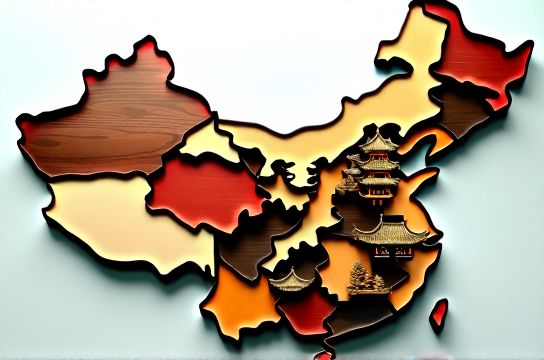
Let’s start with the big names: Zhejiang, Fujian, Guangdong, and Anhui. These provinces aren’t just geographic centers — they’re cultural powerhouses when it comes to wood craftsmanship. Each style evolved from local materials, religious practices, and historical trade routes. And while modern mass production threatens authenticity, regional identity still shines through in high-end restorations and luxury interiors.
1. Dongyang (Zhejiang) – The Master of Delicacy
Dongyang carving is like the couture of Chinese woodworking. Known for multi-layered relief carvings up to 7 layers deep, artisans here use soft woods like camphor and nanmu. What sets it apart? Precision. A single square meter can take over 200 hours to complete. It’s no surprise that Dongyang supplies over 60% of China’s high-end decorative panels used in government buildings and five-star hotels.
2. Longyan (Fujian) – Boldness Meets Symbolism
Fujian’s answer to fine carving is dramatic, almost theatrical. Longyan artists favor dark rosewood and emphasize three-dimensional round sculptures — think dragons mid-roar or deities in flowing robes. Their work often features in ancestral halls, where spiritual protection matters more than subtlety. Over 45% of restored Ming-era temples in southern China now use authenticated Longyan pieces.
3. Chaozhou (Guangdong) – The Gold Standard
Ever seen golden lacquered carvings shimmering under temple lights? That’s Chaozhou. These carvings are typically covered in real gold leaf, layered over deep, complex reliefs. Used heavily in Cantonese opera stages and clan shrines, they blend Buddhist motifs with maritime symbolism — reflecting Guangdong’s coastal trading history.
4. Huizhou (Anhui) – Elegance in Simplicity
Step into any Huizhou-style courtyard home, and you’ll spot clean lines, minimal color, and nature-inspired patterns — plum blossoms, bamboo, cranes. Unlike others, Huizhou carving avoids gilding. Instead, it relies on shadow play and texture. This aesthetic influenced early modern Chinese architecture and remains popular in boutique hotels aiming for ‘quiet luxury’.
To help you compare at a glance, here’s a breakdown:
| Region | Wood Type | Avg. Depth (mm) | Common Use | Market Share* |
|---|---|---|---|---|
| Dongyang | Camphor, Nanmu | 18–25 | Interior Panels | 61% |
| Longyan | Rosewood, Ebony | 30+ | Temple Sculptures | 19% |
| Chaozhou | Pine, Cypress | 20–28 | Religious Altars | 14% |
| Huizhou | Pinewood, Fir | 12–16 | Architectural Details | 6% |
*Estimated share of premium hand-carved market (2023 survey by China Craft Association)
Today, these traditional carving techniques face challenges — aging masters, rising labor costs, and synthetic imitations. Yet demand is growing among collectors and eco-conscious designers seeking sustainable, story-rich decor. If you're investing in authentic pieces, always ask for provenance and workshop certification.
In short: China’s wood carving map isn’t just about geography — it’s a living archive of culture, belief, and unmatched skill.