The Philosophy of “Wenwan”: More Than Just Collecting Objects
- 时间:
- 浏览:536
- 来源:OrientDeck
If you’ve ever seen someone casually rolling two shiny beads in their hand and thought, “Huh, stress relief?”—think again. Welcome to the world of Wenwan, a centuries-old Chinese tradition that’s part art, part meditation, and 100% culture. But Wenwan isn’t just about twirling beads or collecting trinkets. It’s a lifestyle rooted in patience, craftsmanship, and spiritual balance.
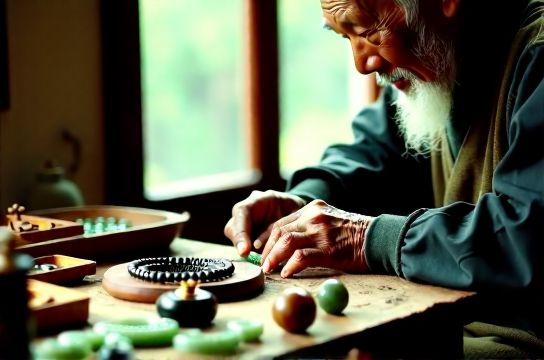
What Exactly Is Wenwan?
The term Wenwan (文玩) literally means “cultural playthings.” These are hand-held objects—most commonly beads, nuts, stones, or carved artifacts—used for tactile engagement, contemplation, and personal cultivation. Think of it as mindfulness meets antique collecting, with a splash of social status.
Originating during the Ming Dynasty, Wenwan was once reserved for scholars and aristocrats. Today, it's exploded in popularity across China and among global collectors. In fact, a 2023 report by iResearch found that the Chinese Wenwan market grew by 18% year-on-year, with over 60 million active enthusiasts.
Why People Are Obsessed With Wenwan
It’s not just about aesthetics. There’s real psychology behind the habit. Rolling a pair of handplay beads stimulates acupressure points in the palms, believed to improve circulation and reduce anxiety. But beyond health perks, Wenwan is deeply symbolic.
- Spiritual grounding: The repetitive motion calms the mind.
- Status symbol: Rare materials like Himalayan jade or aged Bodhi seeds can fetch thousands.
- Craftsmanship appreciation: Each piece tells a story of time, labor, and natural beauty.
Popular Wenwan Materials Compared
Not all wan are created equal. Here’s a quick breakdown of top materials based on rarity, price range, and cultural significance:
| Material | Rarity | Avg. Price (USD) | Symbolism |
|---|---|---|---|
| Bodhi Seed | Medium | 20–200 | Enlightenment, Buddhist roots |
| Himalayan Jade | High | 500–5,000+ | Protection, prosperity |
| Ironwood (Zitan) | Medium-High | 100–800 | Strength, durability |
| Guteng Root | Low | 10–50 | Natural harmony |
As you can see, value isn’t just about cost—it’s about history, texture, and how the piece ages over time. A well-conditioned Bodhi bead, for example, develops a rich amber glow after years of skin contact, known as “yunzi” (play shine).
How to Start Your Wenwan Journey
Newcomers often make the mistake of chasing expensive pieces. Big error. True Wenwan wisdom lies in patience. Start simple: pick a modest Bodhi or ironwood set. Roll it daily. Observe how it changes. That transformation? That’s the real reward.
Pro tip: Avoid moisture and extreme temperatures. Store in a cloth bag. And never, ever use chemicals to speed up aging—it kills authenticity.
Wenwan in the Digital Age
Ironically, this analog practice thrives online. Platforms like Xiaohongshu and Douyin are packed with Wenwan influencers sharing “play diaries,” aging progress, and rare finds. Some even livestream bead-polishing sessions. It’s niche, yes—but fiercely loyal.
In a world obsessed with instant gratification, Wenwan teaches us to slow down. To value process over product. To find peace in repetition. So next time you see someone quietly rolling beads, don’t assume they’re bored. They might just be practicing one of China’s most underrated philosophies.