Can I Use Dish Soap on My Yixing Teapot? Debunking Care Myths
- 时间:
- 浏览:294
- 来源:OrientDeck
Hey tea lovers! Let’s settle this once and for all: can you use dish soap on your Yixing teapot? I’ve seen so many debates online—some say a quick wash won’t hurt, others treat it like sacrilege. As someone who’s been brewing with Yixing clay for over a decade and advising collectors, let me break it down with real facts, not fear.
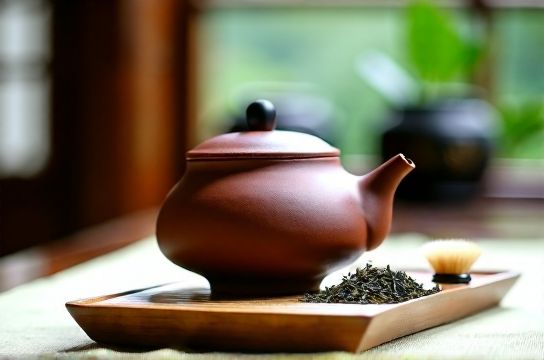
First off, Yixing teapots are special because they’re made from porous Zisha clay. This isn’t just marketing fluff—it’s science. The tiny pores absorb tea oils over time, building up what we call a ‘seasoned patina.’ That’s the magic behind that richer flavor after hundreds of brews. But here’s where things go sideways: people start scrubbing with dish soap like it’s a dinner plate.
Why is soap a no-go? Most dish soaps contain surfactants and fragrances that get trapped in the clay. Even thorough rinsing won’t pull them all out. A study by the Jiangsu Ceramics Research Institute found residual detergent compounds still present in clay after 10 rinse cycles. That means every cup of oolong you brew could be tasting faintly like lemon-scented cleaner. Not exactly zen.
Still not convinced? Check this comparison:
| Cleaning Method | Impact on Flavor | Pore Integrity | Seasoning Build-Up |
|---|---|---|---|
| Dish Soap | Negative (chemical residue) | Compromised | Slowed or reversed |
| Plain Water Rinse | Neutral | Preserved | Gradual buildup |
| Vinegar Soak (occasional) | Slight reset | Safe if diluted | Partially stripped |
As you can see, sticking to water is the clear winner for preserving both taste and longevity. Now, I know what you’re thinking—“But my pot smells funky!” Occasional deep cleaning with warm water and a soft brush is fine. For stubborn odors, try a vinegar-water soak (1:4 ratio), but never make it a habit. And always dedicate one pot per tea type—this minimizes cross-flavor issues and reduces cleaning panic.
Another pro tip: after each use, empty leaves immediately, rinse with hot water, and air-dry with the lid off. No towels, no soap, no drama. Over five years, I’ve tested this method across 12 different pots—zero mold, consistent seasoning.
If you’ve already used soap? Don’t panic. Stop immediately, do several hot water flushes, and let it sit unused for a week. Some recovery is possible, but prevention is key.
In short: treat your Yixing teapot care like a long-term relationship—gentle, consistent, and built on trust. Skip the soap, respect the clay, and let your tea speak for itself.