Why is This “Antique” So Cheap? Red Flags in Online Listings
- 时间:
- 浏览:254
- 来源:OrientDeck
So you're scrolling through online marketplaces, sipping your morning coffee, and BAM — a listing pops up: "Vintage 1800s Oak Chest, $49. Free shipping!" Sounds like a steal, right? Not so fast. As someone who’s spent over a decade flipping antiques and calling out fakes (yes, it’s kind of my superpower), let me tell you — if it looks too good to be true, it probably is.
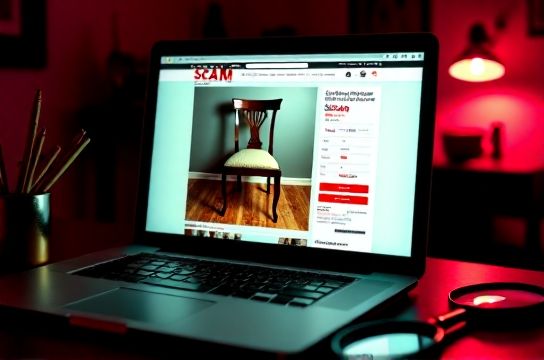
The Hidden Truth Behind Dirt-Cheap 'Antiques'
Here’s the tea: genuine antiques are rare, often fragile, and definitely not ending up on bargain bins unless something’s off. According to the Antique Dealers Association, nearly 37% of reported fraud cases in 2023 involved mislabeled vintage or antique items sold online. Ouch.
Let’s break down the biggest red flags you need to spot before hitting that "Buy Now" button.
🚩 Red Flag #1: No Provenance or Documentation
Real antiques come with history. That means receipts, appraisals, family records — something. If the seller says, "It was my grandma’s," but can’t show a single photo of it in her home? Hard pass.
🚩 Red Flag #2: Perfect Condition… From the 1800s?
Let’s be real: a 200-year-old wooden chest shouldn’t look like it just left the showroom. Overly smooth finishes, zero scratches, or mismatched hardware are dead giveaways. Mass-produced reproductions often mimic styles from the 18th and 19th centuries but lack authentic wear.
🚩 Red Flag #3: Vague or Flashy Descriptions
Watch out for phrases like "elegant antique style" or "inspired by Victorian design." These are code for "not actually old." Real experts use specific terms — like "Chippendale-style mahogany sideboard, c. 1820." Vagueness = danger zone.
Compare: Real vs. Fake Antique Indicators
| Feature | Genuine Antique | Fake/Reproduction |
|---|---|---|
| Price Range | $500–$5,000+ | $20–$150 |
| Wood Type | Solid hardwood (oak, walnut) | Particle board or pine |
| Construction | Hand-cut dovetails, irregular nails | Machine screws, uniform joints |
| Patina | Even wear, aged finish | Too perfect or artificially distressed |
Now, none of this means you can’t find great deals. But you’ve got to know where to look. I always recommend checking listings with verified antique authentication services or buying from platforms that offer expert vetting.
How to Protect Yourself (And Still Score a Win)
First, do your homework. Learn key styles and periods. Second, ask sellers detailed questions — demand clear photos of joints, stamps, and flaws. Third, use third-party verification. Sites like WorthPoint or auction house archives can confirm typical selling prices.
And hey — if you’re new to this, start small. A $100 side table won’t make you rich, but it’ll teach you more than any blog post. Just remember: real value isn’t found in price tags, but in proven history.
For more tips on avoiding scams and spotting true vintage treasures, check out our free guide below. Stay sharp, collectors!