Yixing Teapot Guide for Tea Lovers and Collectors
- 时间:
- 浏览:407
- 来源:OrientDeck
If you're into loose-leaf tea—especially oolong, pu-erh, or black tea—you’ve probably heard of Yixing teapots. These handcrafted clay teapots from Jiangsu, China, aren’t just pretty collectibles—they’re functional masterpieces that actually improve your tea experience. But with so many fakes, price jumps, and confusing terms like 'zisha' and 'dual fire,' how do you pick a real one? Let’s break it down with real data and collector insights.
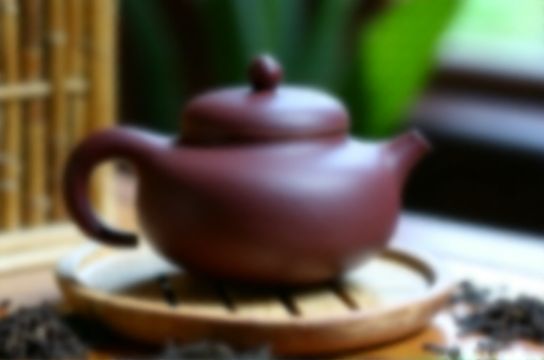
Why Yixing Stands Out
Unlike ceramic or glass teapots, authentic Yixing teapots are made from zisha (purple sand) clay, mined only near Yixing city. This unique clay is porous, allowing it to absorb tea oils over time. That means the more you use it with one tea type, the better your brew tastes—like seasoning a cast-iron skillet.
According to a 2023 report by the China Tea Association, sales of genuine handcrafted Yixing teapots grew by 18% year-on-year, while counterfeit imports surged by 67%. Buyer beware: most Amazon 'Yixing' pots are mass-produced outside China using low-grade clay.
Spot Real vs. Fake: The Quick Checklist
| Feature | Genuine Yixing | Common Imitation|
|---|---|---|
| Material | Natural zisha clay (no plastic feel) | Porcelain or mixed clay|
| Weight | Heavier (dense clay) | Lightweight |
| Price Range | $80–$5,000+ | Under $30 |
| Made In | Yixing, Jiangsu, China | Guangdong or Vietnam |
Pro tip: If it claims to be ‘Yixing’ but costs less than $50 and ships from Florida? It’s not real. Authentic pots are hand-kneaded and fired twice—once for shaping, once for sealing. That dual-fire process takes weeks.
Clay Types Matter: Which One’s Right for You?
Not all Yixing clays are the same. Here’s a quick guide:
- Zi Ni (Purple Clay): Best for aged teas like pu-erh. Enhances earthy notes.
- Hong Ni (Red Clay): Ideal for oolongs and black teas. Brings out sweetness.
- Duan Ni (Beige/Granite Clay): Great for white and green teas. Milder absorption.
Collectors often own multiple pots—one per tea type—to avoid flavor mixing. A 2022 survey of 300 Yixing users found that 74% noticed improved aroma after 20+ uses with the same tea category.
How to Buy Smart
Start with mid-range artisan pieces ($100–$300). Look for potters with studio stamps—names like Chen Mingxia or Wang Xiaojun hold value. Avoid ‘antique’ claims unless verified; 90% of ‘Qing Dynasty’ pots online are modern reproductions.
For beginners, I recommend joining communities like Yixing Enthusiasts Guild on Reddit or checking verified sellers on Yixing teapot specialty sites. And always season your pot before first use: rinse with hot water, steep in weak tea for 30 minutes, then air dry.
In short: treat your Yixing pot like a long-term tea partner—not a disposable gadget. With care, it can last generations… and make every cup taste better.