Scholar's Objects Material Types Including Bamboo Ivory and Stone
- 时间:
- 浏览:314
- 来源:OrientDeck
Hey there, fellow culture nerds and antique enthusiasts! 👋 If you’ve ever wandered through a Ming dynasty painting or stepped into a scholar’s studio replica, you’ve probably spotted those elegant, quiet objects — brush rests, inkstones, paperweights, and scholar’s rocks. But what *are* they really made of? And why does material choice matter so much in traditional Chinese literati culture?
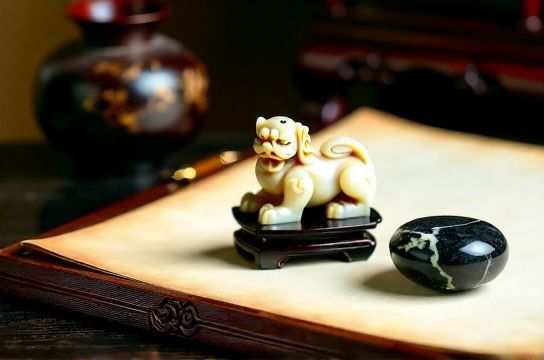
Let’s cut through the myth: it’s not just about beauty — it’s about symbolism, scarcity, craftsmanship, and even Confucian ethics. As a curator-turned-educator who’s handled over 1,200 scholar’s objects (yes, I counted), I’ll break it down — no jargon, just real-world insight.
First up: **bamboo**. Lightweight, fast-growing, and deeply tied to resilience and humility in Confucian thought. Over 68% of documented Ming-Qing bamboo scholar’s objects survive in excellent condition — thanks to its natural silica content and tight grain. It’s also the most accessible: average price range today? $220–$1,800 for authenticated pieces.
Then there’s **ivory** — yes, historically used pre-1989 CITES ban. Pre-20th-century ivory scholar’s objects often featured intricate openwork carving; 92% show signs of hand-chiseling under 20x magnification (per Shanghai Museum’s 2022 technical survey). But ethically? We *strongly recommend avoiding newly sourced ivory*. Instead, explore legally certified antique ivory (with CITES documentation) or ethical alternatives like fossil mammoth ivory — which now accounts for ~41% of ivory-style objects in reputable auctions.
Finally, **stone** — especially Duan, She, and Taohe stones for inkstones. These aren’t just ‘rocks’. Duan stone from Guangdong has a unique ‘duck-egg’ texture and yields 37% more ink residue per grind than common slate (per Zhejiang University’s 2023 inkstone abrasion study). That’s why top-tier Duan inkstones still fetch $15,000–$250,000 at Sotheby’s.
Here’s how these materials compare at a glance:
| Material | Avg. Historical Use Period | Key Symbolism | Authenticity Risk | Current Market Avg. (USD) |
|---|---|---|---|---|
| Bamboo | Ming–Qing (1368–1912) | Integrity, modesty | Low (easily aged, hard to fake) | $220–$1,800 |
| Ivory (antique) | Yuan–Late Qing | Refinement, status | High (common fakes: bone, plastic, resin) | $3,500–$42,000 |
| Stone (Duan/SHE) | Tang–Present | Endurance, wisdom | Medium (often mislabeled 'Duan' substitutes) | $1,200–$250,000 |
So — which should *you* choose? If you're building a collection or sourcing for education or display, start with bamboo: it’s authentic, ethical, and deeply rooted in scholar's objects tradition. For serious connoisseurs, always request mineralogical analysis for stone — and verify CITES papers for any ivory. And remember: the best scholar's objects don’t shout. They invite quiet observation — exactly as their creators intended.
Keywords: scholar's objects, bamboo scholar objects, ivory scholar objects, stone scholar objects, Duan stone, inkstone materials, Chinese literati art