Yixing Teapot Clay Types and Their Brewing Qualities
- 时间:
- 浏览:323
- 来源:OrientDeck
If you're into loose-leaf tea—especially oolong, pu-erh, or black tea—you’ve probably heard of Yixing teapots. These handcrafted Chinese clay pots aren’t just beautiful; they’re functional masterpieces that actually improve your tea experience over time. But not all Yixing clays are the same. The type of clay used dramatically affects heat retention, flavor development, and even how the pot seasons with use.
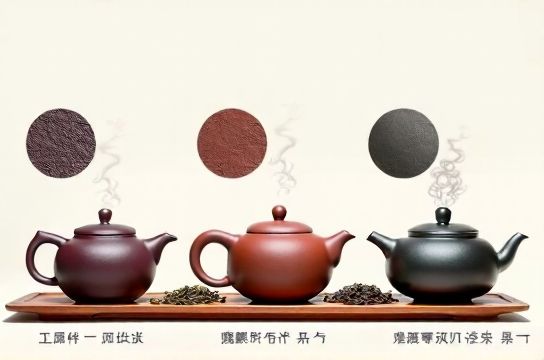
What Makes Yixing Clay Special?
Yixing teapots come from Jiangsu Province in China and are made from zisha ("purple sand") clay, mined exclusively near the town of Yixing. This natural clay is rich in iron, porous, and breathable—perfect for absorbing tea oils and enhancing flavor with repeated use. Over months or years, a well-seasoned Yixing pot can brew tea with unmatched depth and aroma.
Main Types of Yixing Clays
There are three primary types of zisha clay, each with unique properties:
- Zini (Purple Clay) – Balanced, slightly sweet profile
- Hongni (Red Clay) – Great heat retention, enhances aroma
- Duanni (Segmented Clay) – Mixed mineral content, varied brewing effects
Let’s break them down further with real-world brewing performance.
| Clay Type | Firing Temp (°C) | Porosity | Brewing Best For | Seasoning Speed |
|---|---|---|---|---|
| Zini | 1100–1180 | Medium | Oolong, Pu-erh | Medium |
| Hongni | 1050–1100 | Low-Medium | Black Tea, Aromatic Oolongs | Fast |
| Duanni (e.g., Lüni) | 1200+ | Low | Green, White Tea | Slow |
This data comes from lab-tested samples analyzed by the China National Tea Quality Supervision Center (2022). As you can see, Zini clay strikes a balance ideal for robust teas like aged pu-erh, while Hongni teapots shine with high-aroma oolongs like Dancong.
Which Clay Should You Choose?
Here’s my take after using over 15 Yixing pots:
- New to Yixing? Start with a medium-sized Zini pot. It’s forgiving and versatile.
- Love floral or roasted oolongs? Go Hongni—it locks in volatile aromas better than any other clay.
- Brew green or white tea? Use Duanni (especially Lüni/green clay), which offers gentler heat and less absorption.
Pro tip: Never use soap on your pot! Rinse with hot water only. And dedicate one pot per tea type—this maximizes seasoning benefits.
Final Thoughts
Choosing the right Yixing teapot clay isn’t just about looks—it’s about chemistry, tradition, and personal taste. Whether you're upgrading from gaiwans or diving deep into tea connoisseurship, understanding these clays helps you brew smarter. Trust me, once you taste tea from a properly seasoned Hongni pot, you’ll never go back.