Cloisonné Making Process Step by Step Explained
- 时间:
- 浏览:346
- 来源:OrientDeck
So you’ve seen those gorgeous, colorful enamel trinkets with delicate metal lines outlining each vibrant section — yeah, that’s cloisonné. And no, it’s not just fancy coloring inside the lines. This ancient art form dates back over 3,000 years to Egypt and later flourished in China during the Ming Dynasty. If you're into handmade crafts or collectible art, understanding the real cloisonné making process is a game-changer.
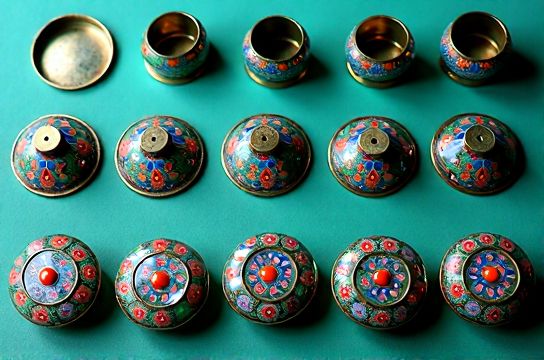
Let’s break it down like you’re about to try it yourself (or at least impress someone who does).
Step 1: Design & Base Creation Artists start with a metal base — usually copper, but sometimes silver or gold. The design is sketched directly onto the surface. Precision matters. One wobble and your dragon’s eye ends up looking like a blob.
Step 2: Wire Work – The 'Cloisons' Thin strips of flattened wire (typically silver or copper) are bent and glued into tiny compartments called 'cloisons' (French for 'partitions'). These wires outline every color zone. Think of it like building microscopic fences for paint.
Step 3: Enamel Filling This is where color comes alive. Powdered glass enamel — made from silica, metal oxides, and flux — is mixed with water and carefully packed into each cloison. Each color is applied separately and fired at around 800°C. Shrinkage happens, so layers are repeated — often 3 to 5 times per section.
Here’s a quick look at typical firing stages:
| Enamel Layer | Firing Temp (°C) | Duration | Purpose |
|---|---|---|---|
| First Fill | 780–800 | 2–3 min | Base adhesion |
| Second Layer | 760–780 | 3–4 min | Color depth |
| Final Polish Fire | 750 | 2 min | Surface smoothing |
Step 4: Grinding & Polishing After the final firing, the surface is rough and uneven. It’s sanded with agate tools and polished until glassy smooth — revealing that signature glossy finish.
Step 5: Gold Plating (Optional) Many high-end pieces get a 24k gold wash on exposed wires. This boosts luster and prevents oxidation. Authentic Chinese cloisonné often features this — a mark of quality.
Now, here’s the kicker: true handcrafted cloisonné takes **20+ hours** and up to 10 firings. Mass-produced imitations? Made with screen-printed decals and baked once. Big difference.
If you're buying or appreciating the craft, check for: - Hand-bent wires (not stamped) - Depth in color (layering = richness) - Slight texture under fingertips (real enamel sits above the base slightly)
For anyone diving into artisanal crafts, mastering the cloisonné technique opens doors to creating museum-worthy pieces. It’s part science, part meditation, and 100% stunning.
Whether you're a collector or maker, respect the process — it’s survived millennia for a reason.