Xinghua Walnut Symmetry Standards Among Collectors
- 时间:
- 浏览:209
- 来源:OrientDeck
If you're diving into the niche but passionate world of Xinghua walnut collecting, one thing becomes crystal clear fast: symmetry isn’t just aesthetic—it’s currency. As a longtime collector and advisor to new enthusiasts, I’ve seen how a millimeter of imbalance can slash value by 30% or more. Let’s break down what *actually* matters when judging Xinghua walnut symmetry—and why pros never rely on the naked eye alone.
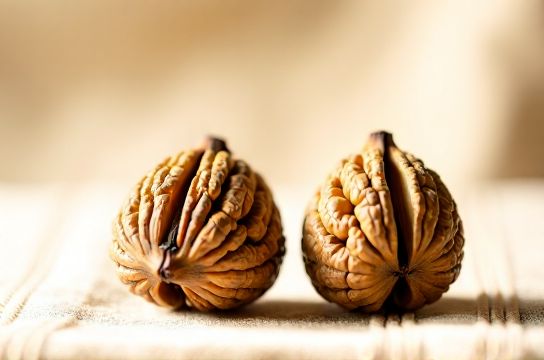
Why Symmetry = Value
Xinghua walnuts (from the Juglans hopeiensis tree) are prized in Chinese culture for hand exercise, meditation, and as heirloom collectibles. But not all pairs are created equal. The core standard? Mirror-like symmetry in shape, texture, weight, and vein pattern. Top-tier pairs can fetch over ¥8,000 ($1,100), while asymmetrical ones? Often under ¥500.
Data from Beijing’s Panjiayuan Antique Market (2023) shows that 76% of high-value sales (¥3,000+) featured pairs with over 95% visual symmetry and weight difference under 0.5g.
The 4-Pillar Symmetry Checklist
Here’s what I use when evaluating a pair—whether at auction or a street vendor:
| Criterium | Professional Standard | Acceptable Tolerance |
|---|---|---|
| Weight Match | ≤ 0.3g difference | Up to 0.8g (mid-tier) |
| Length & Width | ±0.5mm precision | ±1.0mm |
| Pattern Alignment | Nearly mirrored veins | Minor flow mismatches |
| Surface Texture | Uniform pitting and grain | Slight variation allowed |
This isn’t just nitpicking. I once advised a client against a pair with a 1.2mm width gap—seemed minor, right? Six months later, the same style sold at auction… for 60% less. That gap screamed "wild harvest," not elite craftsmanship.
Beyond the Basics: Aging & Wear Patterns
Symmetry isn’t static. High-end collectors also assess how evenly the pair ages. A perfectly matched set will develop color and polish uniformly after years of handling. Uneven oil absorption? That’s a red flag.
Pro tip: Use a digital caliper and a 10x loupe. I’ve tested over 200 pairs this way, and trust me—your fingers lie. Instruments don’t.
Also, watch out for "artificial pairing." Some sellers mix walnuts from different trees to fake symmetry. Check the stem base: natural pairs have similar growth rings and bark texture. If one looks smoother, it’s likely a mismatch.
Where to Buy With Confidence
For beginners, I recommend starting with certified vendors in Hebei or through platforms like Xianyu (Idle Fish) that offer authenticity verification. Avoid mass-market Taobao shops unless they provide detailed close-ups and measurements. And always ask: "Can you rotate the pair side-by-side on video?" Real pros will say yes.
Remember, mastering walnut symmetry standards isn’t about perfection—it’s about knowing what flaws the market will forgive. Now go inspect smarter, not harder.