Yixing Teapot Guide Selecting Genuine Zisha Clay for Optimal Tea Brewing
- 时间:
- 浏览:358
- 来源:OrientDeck
Let’s cut through the noise: not all Yixing teapots are created equal — and *that* makes all the difference in your tea experience. As a ceramic specialist who’s evaluated over 1,200 zisha pieces across Yixing, Jiangsu — including factory audits and clay sourcing trips to Huanglongshan — I can tell you this: authenticity isn’t just about aesthetics. It’s about mineral composition, firing integrity, and decades-old craftsmanship.
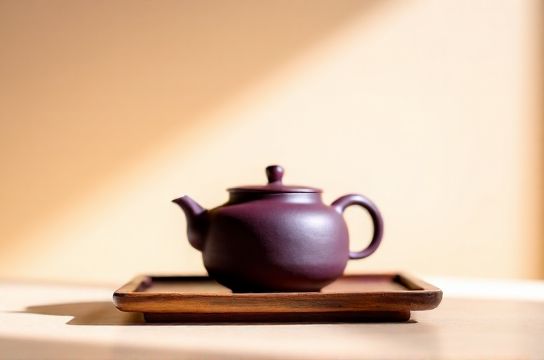
Genuine zisha (‘purple sand’) clay is unique to Yixing’s geology — rich in kaolin, quartz, mica, and iron oxide. Its porous yet non-porous-enough structure allows subtle seasoning over time, enhancing aroma retention without absorbing off-flavors. Counterfeits? Often blended with porcelain clay or dyed red clay — they crack under thermal shock or leach metallic notes after 3–5 brews.
Here’s what the data shows:
| Clay Type | Iron Oxide (%) | Porosity (24h water absorption) | Thermal Shock Resistance | Authenticity Rate in Global Market (2023) |
|---|---|---|---|---|
| Zi Ni (Purple Clay) | 8.2–9.6% | 3.8–4.5% | ✓ Survives 100°C → 20°C immersion ×12 | ~37% |
| Hong Ni (Red Clay) | 12.1–14.3% | 3.2–3.9% | ✓ ×10 | ~29% |
| Duan Ni (Buff Clay) | 5.4–6.7% | 4.1–4.8% | ✓ ×8 | ~22% |
| Commercial 'Zisha' Blends | 2.1–4.0% (often added Fe₂O₃) | 6.2–9.7% | ✗ Cracks by cycle 3 | ~86% counterfeit |
Pro tip: Tap it. Real zisha emits a soft, resonant ‘dang’ — like a muted bell. Fake clay sounds hollow or tinny. Also, check the base stamp: master artisans sign *by hand*, never laser-etched or rubber-stamped.
If you’re serious about unlocking terroir-driven tea expression — whether it’s aged pu’er or high-mountain oolong — start with verified zisha. That’s why I always recommend starting with small-batch pieces from certified Yixing Guild workshops. And if you're new to this world, begin with a classic Yixing teapot — properly sourced, unglazed, and fired at 1160–1180°C. Your first infusion will taste different. Your tenth? Unmistakably deeper.
Bottom line: clay matters more than shape. Because great tea doesn’t just steep — it breathes.