Curating a Collection of Chinese Textile Masterworks
- 时间:
- 浏览:294
- 来源:OrientDeck
If you're diving into the world of luxury textiles, there's one category that consistently stands out: Chinese textile masterworks. These aren't just fabrics—they're heirlooms. With centuries of craftsmanship behind every thread, collecting Chinese textiles is like owning wearable history. But where do you start? And how do you avoid overpaying or falling for fakes?
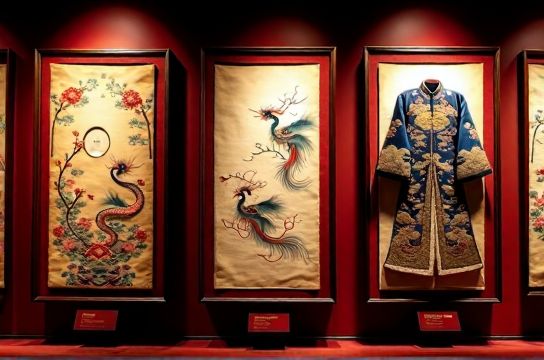
As someone who’s spent over a decade consulting for collectors and museums, I’ll walk you through the essentials—what to look for, how to spot authenticity, and which types deliver the best value over time.
Why Invest in Chinese Textile Masterworks?
Chinese textiles, especially from the Ming (1368–1644) and Qing (1644–1912) dynasties, are among the most sought-after in the global art market. According to Sotheby’s 2023 Asian Art Report, antique silk embroideries saw a 17% annual price increase over the past five years. Imperial garments and court robes regularly fetch six figures at auction.
But it’s not just about money. These pieces reflect deep cultural symbolism—from dragon motifs representing imperial power to peonies symbolizing wealth and honor. Collecting them means preserving stories woven into fabric.
Top 4 Types of Chinese Textiles to Collect
Not all textiles are created equal. Here’s a quick breakdown of the most valuable categories:
| Type | Era | Avg. Market Value (USD) | Key Features |
|---|---|---|---|
| Imperial Dragon Robes | Qing Dynasty | $80,000–$500,000+ | Five-clawed dragons, yellow silk, rank insignia |
| Suzhou Embroidery | Ming–Modern | $5,000–$50,000 | Fine silk thread, realistic imagery, double-sided stitching |
| Yunjin Brocade | Ming–Qing | $10,000–$100,000 | Gold-wrapped threads, complex patterns, imperial use |
| Minority Ethnic Textiles | 19th–20th C | $500–$5,000 | Indigo dye, batik, Miao & Dong tribal designs |
Pro tip: If you’re new, start with Suzhou embroidery or ethnic textiles. They’re more affordable and easier to authenticate.
How to Spot Real vs. Fake
The market is flooded with reproductions. Here’s what to check:
- Fiber Analysis: Pre-20th century pieces use natural silk and plant-based dyes. Run a UV test—modern synthetics glow.
- Stitch Density: Authentic Suzhou embroidery has 12+ stitches per cm². Count under magnification.
- Backside Quality: True double-sided embroidery looks perfect on both sides—no tangled threads.
And always ask for provenance. A solid paper trail—including old photos or export records—can boost value by up to 30%, according to Christie’s.
Where to Buy Safely
I recommend starting with reputable auction houses like Chinese textile masterworks specialists at Poly Auction or China Guardian. For newer collectors, platforms like Jingguan Online offer vetted dealers with return policies.
Avoid eBay and random Etsy sellers unless they provide lab-certified authentication.
Final Thoughts
Collecting Chinese textile masterworks isn’t just a hobby—it’s a legacy play. Whether you’re drawn to their beauty, history, or investment potential, doing your homework pays off. Start small, learn the details, and let your collection grow with meaning.