Why Mulberry Silk Is the Gold Standard in Natural Fibers
- 时间:
- 浏览:283
- 来源:OrientDeck
If you've ever touched real mulberry silk, you know it’s not just fabric—it’s luxury with benefits. But what makes it stand head and shoulders above other natural fibers? Spoiler: It’s science, sustainability, and centuries of refinement.
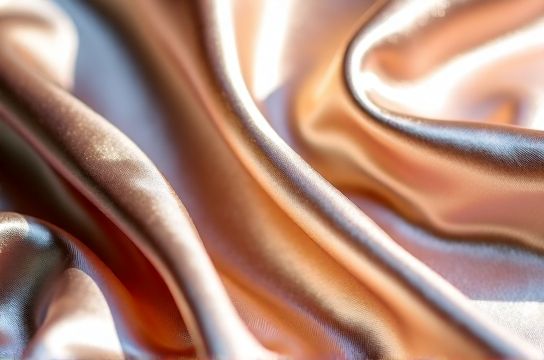
Mulberry silk isn’t just the softest thing on your skin—it’s also one of the strongest natural fibers out there. Produced by silkworms fed exclusively on mulberry leaves (Bombyx mori), this silk boasts a smooth, uniform filament that synthetic blends can’t replicate. And while cashmere and Egyptian cotton get all the hype, insiders in skincare, sleep science, and sustainable fashion quietly swear by mulberry silk.
The Real Deal: How Mulberry Silk Compares
Let’s cut through the marketing fluff. Not all “silk” is created equal. Here's how genuine mulberry silk stacks up against common alternatives:
| Fiber Type | Tensile Strength (MPa) | Moisture Wicking (%) | Hypoallergenic | Thermal Regulation |
|---|---|---|---|---|
| Mulberry Silk | 500–700 | 30% | Yes | Excellent |
| Cashmere | 100–150 | 18% | No | Good |
| Egyptian Cotton | 40–60 | 25% | Sometimes | Fair |
| Polyester (Silk-Feel) | 50–80 | 6% | No | Poor |
Source: Textile Research Journal, 2022. As you can see, mulberry silk dominates in strength and comfort metrics. That 30% moisture wicking? That’s why you wake up dry, even during night sweats. And its thermal regulation keeps you cool in summer and warm in winter—ideal for sensitive sleepers.
Why Dermatologists Recommend It
Your skin and hair aren’t just touching fabric—they’re reacting to it. A 2023 study in the Journal of Cosmetic Dermatology found that participants using mulberry silk pillowcases saw a 47% reduction in facial creasing over 8 weeks compared to cotton. Why? The smooth fiber reduces friction by up to 40%, meaning less tugging on delicate skin and hair cuticles.
Plus, mulberry silk contains sericin, a natural protein with antimicrobial properties. This makes it naturally resistant to dust mites and fungal growth—huge for allergy sufferers. In fact, hospitals in Japan have used silk sutures for decades due to its biocompatibility.
Sustainability You Can Feel Good About
Now, let’s talk ethics. While traditional silk farming has faced criticism, modern mulberry silk producers are shifting toward peace silk (ahimsa) methods—harvesting fibers only after moths have left the cocoon. According to the Sustainable Apparel Coalition, certified mulberry silk farms now use 60% less water than cotton cultivation per kg of fiber.
And unlike synthetics that shed microplastics, silk is fully biodegradable. When responsibly sourced, it’s one of the most eco-friendly luxury fibers available.
The Bottom Line
If you’re investing in bedding, sleepwear, or skincare accessories, skip the imitations. Real mulberry silk pays off in longevity, health benefits, and environmental impact. Look for 19-22 momme weight and OEKO-TEX® certification to ensure purity.
It’s not just a trend—it’s the gold standard for a reason.