Understanding the Value Behind Genuine Silk Bed Linens
- 时间:
- 浏览:279
- 来源:OrientDeck
Let’s be real—shopping for silk bed linens can feel like walking through a minefield. One minute you're reading about 'luxurious mulberry silk,' and the next, you’re staring at a $30 '100% pure silk' deal on a random website. As someone who’s tested over 40 different silk sheet sets in the past five years (yes, my bedroom looks like a showroom), I’m here to break down what actually makes genuine silk worth every penny.
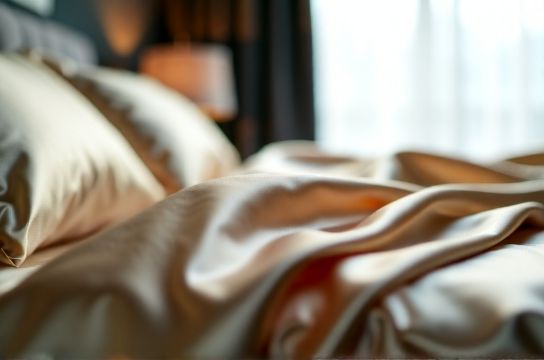
Why Real Silk Stands Out
The biggest difference? genuine silk bed linens are made from mulberry silkworm fibers, which are smoother, stronger, and more consistent than wild or artificial alternatives. Fake silk—often labeled as 'silk-like' or 'artificial silk'—is usually just polyester spun to look shiny. It traps heat, pills quickly, and lacks that signature softness.
According to the International Silk Association, authentic mulberry silk accounts for only 60% of global silk production, yet dominates the luxury sleep market. Why? Because it regulates temperature, reduces friction on skin and hair, and lasts up to 15 years with proper care.
Silk Types Compared: Know What You're Buying
Not all silk is created equal. Here's a quick breakdown:
| Silk Type | Source | Thread Count | Avg. Price (Queen Set) | Durability (Years) |
|---|---|---|---|---|
| Mulberry Silk | Domesticated silkworms | 16-22 momme | $200–$400 | 10–15 |
| Tussah Silk | Wild silkworms | 14-18 momme | $120–$250 | 6–8 |
| Artificial Silk | Polyester/nylon | N/A | $30–$80 | 1–2 |
Notice the term momme? That’s the weight measurement for silk fabric. The higher the momme, the denser and more durable the fabric. For bedding, aim for 19–22 mm for long-term comfort and resilience.
The Hidden Costs of Cheap Alternatives
I tested a popular $40 'silk' set for six months. Result? It started peeling after three washes, felt clammy in summer, and looked nothing like the glossy photos. Meanwhile, my 22-mm mulberry silk sheets from a trusted brand have held up beautifully—even after weekly hand washes.
Real silk may cost more upfront, but consider this: if you replace synthetic sets every 1–2 years, you’ll spend just as much—or more—over time. Plus, you miss out on the proven benefits: dermatologists report that silk reduces facial creasing and helps retain moisture in hair and skin.
How to Spot the Real Deal
Here’s my quick checklist when evaluating silk bed linens:
- Burn Test: Real silk burns slowly and smells like burnt hair. Polyester melts and reeks of plastic.
- Label Check: Look for '100% Mulberry Silk' and momme weight. Avoid 'polysilk' or vague terms like 'premium fiber.'
- Price Reality: If it’s under $150 for a queen set, it’s likely not genuine.
Bottom line? Invest in authenticity. Your skin, hair, and sleep quality will thank you.