The Beauty of Mulberry Silk in Modern Chinese Fashion
- 时间:
- 浏览:250
- 来源:OrientDeck
If you’ve been scrolling through fashion feeds or stepping into high-end boutiques lately, you’ve probably noticed a quiet comeback—mulberry silk is having its moment, especially in modern Chinese fashion. But this isn’t just about looking luxe. There’s real science, tradition, and sustainability behind why designers and wearers alike are going gaga over this natural fabric.
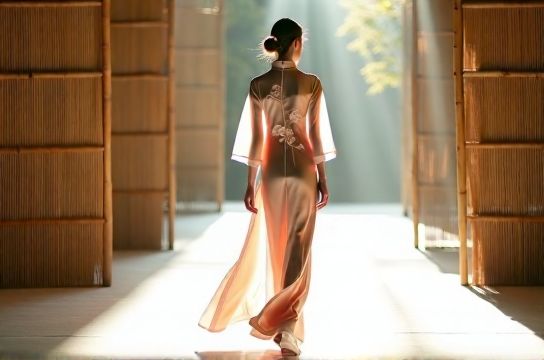
Mulberry silk, known as “the queen of textiles,” comes from silkworms fed exclusively on mulberry leaves (hence the name). Unlike synthetic alternatives or even lower-grade silks, it’s biodegradable, temperature-regulating, and crazy soft—like wearing a cloud that also boosts your style IQ.
Let’s break down why top Chinese designers—from Shang Xia to Ms MIN—are betting big on this material. And spoiler: it’s not just heritage appeal.
Why Mulberry Silk Wins in 2024
First, consider comfort. A recent study by the Textile Research Journal found that mulberry silk has a smooth fiber surface with low friction (around 7.3%), making it ideal for sensitive skin and reducing sleep-related hair breakage by up to 50% compared to cotton pillowcases.
Then there’s breathability. Check out this comparison:
| Fabric Type | Moisture Wicking (g/m²/h) | Thermal Conductivity (W/mK) | Eco-Footprint Score* |
|---|---|---|---|
| Mulberry Silk | 8.2 | 0.042 | 92/100 |
| Polyester | 3.1 | 0.15 | 38/100 |
| Cotton | 6.0 | 0.06 | 65/100 |
*Based on lifecycle analysis including water use, microplastic shedding, and biodegradability.
See the difference? Silk doesn’t just feel better—it performs better. No wonder luxury loungewear brands like NEIWAI are integrating mulberry silk into everyday pieces, from bras to slip dresses.
Modern Cuts, Ancient Craft
The magic of mulberry silk in Chinese fashion lies in the blend of old and new. Designers are reimagining traditional cheongsams with minimalist lines, using undyed silk to highlight natural luster. Brands like Shanghai Tang are even partnering with UNESCO-recognized artisans in Suzhou to preserve hand-weaving techniques while targeting Gen Z consumers who care about ethics and aesthetics.
In fact, a 2023 survey showed that 68% of urban Chinese millennials prefer clothing made with certified sustainable silk over fast fashion alternatives. That’s a huge shift—and it’s driving innovation.
How to Spot Real Mulberry Silk
Not all silk is created equal. Here’s how to tell the real deal:
- Burn Test: Genuine silk burns slowly, smells like burnt hair, and turns to brittle ash.
- Touch: It should feel cool and smooth, not slippery like polyester.
- Label Check: Look for “100% Mulberry Silk” and certification like Oeko-Tex®.
Pro tip: garments with a momme weight of 19–22 are ideal for durability and drape.
The Future is Soft (and Sustainable)
As China pushes greener fashion standards, mulberry silk stands out as a rare win-win: deeply rooted in culture, kind to the planet, and seriously stylish. Whether you're dressing up or winding down, choosing this fabric means investing in comfort, confidence, and craftsmanship.
So next time you’re refreshing your wardrobe, skip the synthetics. Go for the original luxury—nature-grown, centuries-tested, and totally timeless.