Silk Embroidery in Chinese Festivals and Cultural Rites
- 时间:
- 浏览:273
- 来源:OrientDeck
If you’ve ever watched a traditional Chinese wedding or Lunar New Year parade, you’ve probably seen it—silk embroidery shining under the lights, adorning robes, banners, and even shoes. But this isn’t just decoration. For centuries, silk embroidery has carried deep cultural meaning in China’s festivals and rites, blending artistry with symbolism in ways that still resonate today.
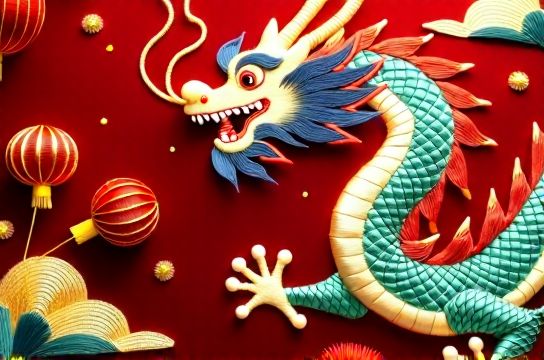
I’ve spent years studying textile traditions across Asia, and nothing compares to the precision and storytelling power of Chinese silk embroidery. From dragon motifs symbolizing power to peonies representing prosperity, every stitch is intentional. Let’s dive into how this ancient craft plays a role in major cultural moments—and why it’s still relevant now.
The Role of Silk Embroidery in Major Festivals
Lunar New Year and Mid-Autumn Festival aren’t just about food and family—they’re visual feasts, too. Red silk garments embroidered with gold thread flood the streets, believed to ward off evil spirits and bring good luck. In southern China, it’s common for elders to gift hand-embroidered pouches filled with coins to children—a tradition dating back to the Ming Dynasty.
But it’s not just color and pattern. The craftsmanship matters. Take Suzhou embroidery (Su Xiu), known for its fine threads—sometimes split into 1/64th of a single silk filament. Artisans can achieve gradients so smooth they look painted, not stitched.
Silk in Rituals: More Than Just Fabric
In Confucian funeral rites, white silk robes with minimal embroidery reflect humility and respect. Meanwhile, in Daoist ceremonies, priests wear robes covered in cosmic symbols—each element like the Big Dipper or lotus flower meticulously embroidered to invoke spiritual protection.
Even modern weddings borrow from tradition. A 2023 survey by China Textile Review found that over 68% of brides in Jiangsu and Zhejiang provinces chose custom Qun Kwa (嫁衣) dresses featuring hand-stitched silk embroidery, often taking 300+ hours to complete.
A Closer Look: Regional Styles Compared
Not all silk embroidery is the same. Here’s a quick breakdown of the four most influential styles:
| Style | Region | Key Features | Common Use |
|---|---|---|---|
| Su Xiu (Suzhou) | Jiangsu | Delicate, double-sided stitching | Fine art, bridal wear |
| Xiang Xiu (Hunan) | Hunan | Bold colors, tiger motifs | Festive decor, children's clothing |
| Shu Xiu (Sichuan) | Sichuan | Panda themes, dense patterns | Tourism, souvenirs |
| Yue Xiu (Guangdong) | Guangdong | Bright gold thread, dragons | Cantonese opera, weddings |
As you can see, each style tells a regional story. Yue Xiu’s flashy dragons? Perfect for Cantonese opera during the Spring Festival. Su Xiu’s subtle elegance? Favored in scholarly families during ancestral rites.
Why It Still Matters Today
You might think machine embroidery has replaced the handmade—but not quite. While mass-produced designs dominate malls, there’s a growing revival of artisanal work. UNESCO recognized Su Xiu as Intangible Cultural Heritage in 2006, and today, platforms like Xiaohongshu (Little Red Book) are fueling interest among Gen Z.
More importantly, wearing embroidered silk during rites isn’t just about beauty. It’s a statement of identity, continuity, and respect. Whether it’s a grandmother passing down a 100-year-old embroidered shawl or a designer reimagining motifs for modern qipaos, the thread—literally and culturally—never breaks.