From Farm to Fashion The Journey of Genuine Silk Fiber
- 时间:
- 浏览:185
- 来源:OrientDeck
If you've ever slipped into a silky smooth blouse or draped yourself in a lustrous scarf, chances are you were wearing genuine silk fiber. But how does this luxurious fabric go from a humble silkworm cocoon to your favorite wardrobe staple? Let’s unravel the journey—from farm to fashion—with some real insider knowledge.
Why Genuine Silk Stands Out
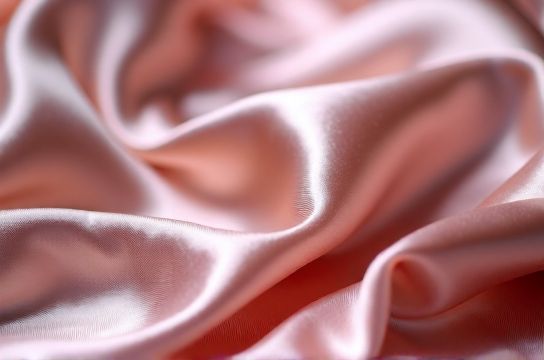
Not all silk is created equal. Genuine silk fiber comes almost exclusively from the mulberry silkworm (Bombyx mori), which feeds on mulberry leaves. This specific diet and controlled environment result in finer, stronger, and more consistent threads compared to wild or synthetic alternatives.
According to the International Sericulture Commission, over 80% of the world’s silk production originates in China and India, with China alone producing around 160,000 metric tons annually. That’s enough silk to wrap around the Earth nearly 30 times!
The 5-Step Silk Production Process
Turning cocoons into wearable luxury involves precision and patience. Here's how it’s done:
- Sericulture (Farming): Silkworms are raised in temperature-controlled environments for about 25–30 days until they spin their cocoons.
- Cocoon Harvesting: Cocoons are collected before moths emerge—preserving thread integrity.
- Reeling: Threads are carefully unwound in hot water; one cocoon can yield up to 1,000 meters of continuous filament.
- Twisting & Dyeing: Filaments are twisted into yarn and dyed using eco-friendly or synthetic pigments.
- Weaving & Finishing: Yarn is woven into fabrics like charmeuse, crepe de chine, or dupioni—each with unique textures.
Silk Types Compared: What You’re Really Wearing
Ever wonder what kind of silk you're buying? Here’s a quick breakdown:
| Type | Source | Texture | Price Range (per meter) |
|---|---|---|---|
| Mulberry Silk | Farmed Bombyx mori | Smooth, glossy | $15–$50 |
| Tussah Silk | Wild silkworms | Coarser, earthy tone | $8–$20 |
| Eri Silk | Domesticated wild species | Matte, wool-like | $10–$25 |
| Artificial Silk (Rayon) | Cellulose fibers | Shiny but less durable | $3–$10 |
As you can see, true genuine silk fiber—especially mulberry—commands a premium for good reason: durability, sheen, and comfort.
Sustainability & Ethical Concerns
While beautiful, traditional silk isn’t cruelty-free—most cocoons are boiled with pupae inside. However, ethical alternatives like ahimsa silk allow moths to emerge before harvesting, though this shortens the fiber length and increases cost.
For eco-conscious buyers, look for Oeko-Tex or GOTS certifications, ensuring no harmful dyes or exploitative labor practices were used.
Final Tips Before You Buy
- Check the label: “100% Mulberry Silk” means real deal.
- Burn test: Real silk smells like burnt hair and crumbles to ash.
- Feel it: Genuine silk warms in your hands and has a soft, natural sheen—not plastic-like shine.
In a market flooded with imitations, knowing the journey of genuine silk fiber helps you invest wisely. Whether you're dressing for elegance or sustainability, choose informed—and wear it proudly.