The Role of Terroir in Chinese Oolong Production
- 时间:
- 浏览:278
- 来源:OrientDeck
If you're into fine teas, especially Chinese oolong tea, you’ve probably heard the term terroir thrown around. But what does it really mean when we say terroir shapes the flavor of oolong? Spoiler: It’s way more than just marketing fluff.
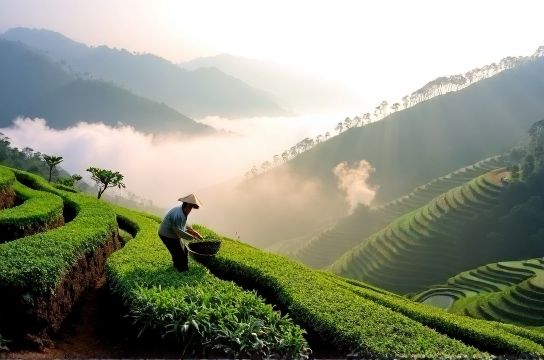
Terroir—a French word that loosely means 'sense of place'—refers to the unique combination of soil, climate, altitude, and farming practices that influence a tea’s taste. And when it comes to premium oolong from China, terroir isn’t just important—it’s everything.
Let’s break it down with real data and insights from tea-growing regions like Fujian, Guangdong, and Taiwan (yes, Taiwan’s oolongs are often classified under Chinese tea traditions).
Why Terroir Makes or Breaks Oolong Flavor
Oolong sits between green and black tea in oxidation, which means it preserves delicate aromas influenced heavily by its environment. A study published in the Journal of Agricultural and Food Chemistry found that high-altitude oolongs contain higher levels of aromatic compounds like linalool and geraniol—directly linked to floral and honeyed notes.
Take Tieguanyin from Anxi, Fujian. Grown at 800–1,200 meters, its cool misty climate slows leaf growth, increasing complexity. Compare that to Phoenix Dancong from Guangdong, grown at lower elevations but in mineral-rich volcanic soil—this gives it bold, fruity, almost citrusy punch.
Terroir Comparison: Key Chinese Oolong Regions
| Region | Altitude (m) | Soil Type | Climate | Flavor Profile |
|---|---|---|---|---|
| Anxi, Fujian | 800–1,200 | Red loam, acidic | Cool, misty, high humidity | Floral, creamy, orchid-like |
| Wuyi Mountains, Fujian | 300–800 | Mineral-rich rocky soil | Warm days, cool nights | Toasty, mineral, 'rock rhyme' (Yan Yun) |
| Chaozhou, Guangdong (Dancong) | 400–700 | Volcanic loam | Subtropical, rainy | Fruity, honeyed, complex |
| Nantou, Taiwan | 1,000–2,000 | Sandy loam, well-drained | Cool, foggy, high UV exposure | Creamy, buttery, floral |
As you can see, altitude and soil aren’t just footnotes—they’re flavor architects. High elevation means slower growth, denser leaves, and more concentrated flavors. The Wuyi Mountains’ rocky terrain imparts that famous 'minerality' prized in Da Hong Pao.
What This Means for Buyers
When shopping for authentic oolong, check the origin. A genuine high-mountain Dong Ding should taste markedly different from a lowland version. Unfortunately, some brands blend leaves or mislabel origins. Look for harvest dates, elevation info, and ideally, farm certifications.
In 2022, the China Tea Marketing Association found that over 30% of oolong labeled as 'high-altitude' didn’t meet regional standards. Buyer beware!
Bottom line: If you want to experience oolong at its finest, respect the terroir. Taste the mist of Anxi, the rocks of Wuyi, the volcanic earth of Chaozhou. That’s where the magic happens.