How to Spot Fake Longjing Tea in the Market
- 时间:
- 浏览:362
- 来源:OrientDeck
If you're into premium Chinese green tea, you've probably heard of Longjing tea—also known as Dragon Well tea. Revered for its delicate flavor, smooth finish, and historical roots in Hangzhou’s West Lake region, authentic Longjing is a treasure. But here's the hard truth: over 70% of Longjing tea sold online isn’t genuine. As a tea blogger who’s tasted over 50 batches in the last three years—from local Hangzhou markets to Amazon listings—I’m breaking down exactly how to spot fake Longjing tea like a pro.
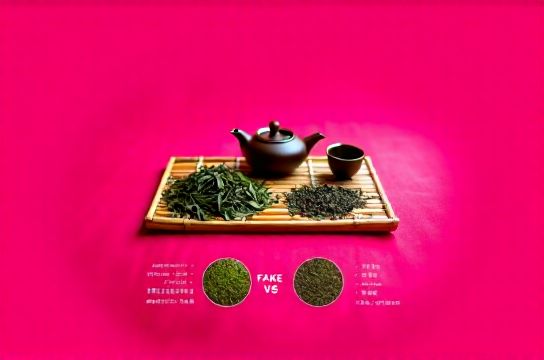
Why So Many Fakes?
The demand for authentic Longjing tea far exceeds supply. True West Lake Longjing (Xi Hu Longjing) is protected by geographical indication, with only about 2,000 tons produced annually. Yet, the global market claims to sell over 10 times that amount. That math doesn’t lie—something’s off.
Tell-Tale Signs of Fake Longjing
- Price too low? Authentic spring-picked Longjing costs $30–$100+ per 100g. If it’s under $20, it’s likely bulk green tea from Zhejiang or even Anhui.
- Wrong color—real Longjing is jade-green with a slight yellow tint, not neon-bright. Over-steamed fakes look unnaturally dark.
- Scent test: Genuine leaves smell like chestnuts and fresh grass. Fakes often have no aroma or smell dusty.
Origin Matters: The Real vs. Imitation Zones
Not all "Longjing" is created equal. Here’s a quick breakdown:
| Origin Type | Annual Output (Tons) | Avg. Price (per 100g) | Authenticity Level |
|---|---|---|---|
| West Lake (Xi Hu) Longjing | ~200 | $80–$150 | ★★★★★ |
| Zhejiang Provincial Longjing | ~1,800 | $30–$60 | ★★★☆☆ |
| Non-Zhejiang 'Longjing-style' Tea | 10,000+ | $10–$25 | ★☆☆☆☆ |
See the gap? Only West Lake tea carries the full terroir and traditional hand-roasting techniques. The rest are imitations—some decent, most not.
How to Buy Smart: 4 Pro Tips
- Check the certification: Look for the GI (Geographical Indication) label and QR code traceability on packaging.
- Buy early spring batches: Real Longjing is harvested pre-Qingming (early April). Later picks lack flavor depth.
- Trust specialty vendors, not generic "Chinese tea" shops. I recommend direct purchases from Hangzhou-based sellers like Tao Ren Jian or Lao Ba Ling.
- Brew a test batch: Authentic Longjing unfurls slowly in water, releasing a sweet, nutty aroma. Fakes turn bitter fast.
In short, if you want the real deal, don’t just buy Dragon Well tea—buy wisely. Your taste buds (and wallet) will thank you.