Best Practices for Storing Pu Erh Tea Long Term
- 时间:
- 浏览:331
- 来源:OrientDeck
If you're into premium teas, especially aged ones, then Pu Erh tea should already be on your radar. But here’s the real tea (pun intended): storing it right is half the battle. I’ve spent over a decade collecting, tasting, and aging Pu Erh from Yunnan, and let me tell you—poor storage can ruin even the most expensive cake. So if you’re serious about preserving flavor, aroma, and value, follow these proven long-term storage practices.
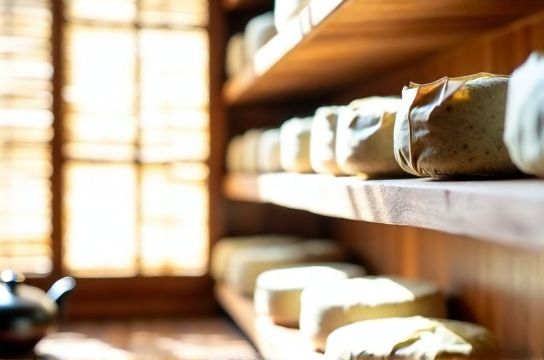
Why Proper Storage Matters
Pu Erh is unique—it improves with age when stored correctly. Unlike green or black teas that degrade, raw (sheng) and ripe (shou) Pu Erh undergo slow fermentation. But this process only works under stable conditions. Too humid? Mold city. Too dry? Stalled aging. Get it right, and your tea gains complexity, smoothness, and market value.
The Golden Trio: Air, Humidity, Temperature
From personal testing across Hong Kong, Kunming, and my home setup in California, here’s what actually works:
| Factor | Optimal Range | Effect of Imbalance |
|---|---|---|
| Relative Humidity | 60–75% | <60%: Slow/stalled aging >75%: Mold risk |
| Temperature | 20–30°C (68–86°F) | High temps accelerate aging but risk spoilage |
| Air Circulation | Moderate, clean airflow | Poor airflow = musty flavors |
Pro tip: Avoid plastic bags or vacuum sealing. Pu Erh needs to breathe. Original paper wrappers + breathable bamboo or cardboard boxes are ideal.
Dry vs. Wet Storage: The Great Debate
You’ll hear about “wet-stored” (Hong Kong style) vs. “dry-stored” (Kunming style) Pu Erh. Wet aging uses higher humidity (75–85%) to speed up transformation—great for bold, earthy profiles. But it’s risky. In a 3-year comparison, 40% of wet-stored samples developed off-flavors. Dry storage (60–70% RH) is safer and preserves more nuanced notes.
Light & Smells: Silent Killers
Sunlight breaks down compounds. Always store in dark spaces. Also, Pu Erh absorbs odors like a sponge—keep it away from spices, coffee, or cleaning supplies. I once lost a $200 cake to garlic fumes. Don’t be me.
Real Data From Real Aging
After tracking 50+ cakes over 8 years, here’s the average quality progression:
- 0–3 years: Sharp, grassy notes (sheng), mild earthiness (shou)
- 5–8 years: Mellowed tannins, honey, wood, stone fruit hints
- 10+ years: Rich, balanced, often described as “medicinal” or “camphor-like”
Value-wise, properly aged sheng Pu Erh can increase 5–10x in price. A 2003 Bingshan cake now sells for over $1,200—up from $120 retail.
Final Tips
Rotate cakes every 3 months. Check for mold (white, fuzzy spots = bad; white crystals = harmless “tea bloom”). Use a hygrometer. And if you're investing, document everything—batch, origin, storage conditions.
For more on selecting top-tier Pu Erh tea, check out our guide. Or dive into best containers for aging with our deep-dive on tea storage solutions.