Aesthetic Principles in Chinese Tea Table Design
- 时间:
- 浏览:287
- 来源:OrientDeck
If you're into interior design or just obsessed with bringing a touch of Zen into your home, you’ve probably noticed the rising popularity of Chinese tea table design. But it’s not just about looks—these pieces are rooted in centuries of tradition, balance, and mindfulness. As someone who’s spent years studying East Asian craftsmanship and advising clients on authentic furniture choices, I’m breaking down the real aesthetic principles that make these tables more than just pretty centerpieces.
The Philosophy Behind the Form
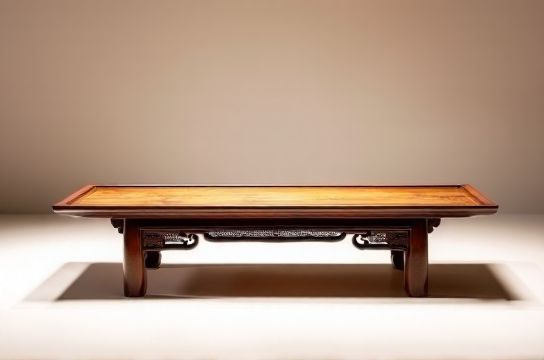
Unlike Western coffee tables built for magazines and snacks, a Chinese tea table is designed for ritual. Rooted in Daoist and Confucian ideals, its form follows function—but the function is contemplation, harmony, and connection. Think symmetry, natural materials, and minimal ornamentation. These aren’t just trends; they’re time-tested values embedded in every joint and curve.
Key Aesthetic Elements (And Why They Matter)
From antique Ming-style rosewood to modern interpretations in bamboo, certain features consistently define high-quality designs. Here’s a breakdown:
| Design Element | Cultural Significance | Common Materials | Visual Impact |
|---|---|---|---|
| Symmetry & Proportion | Reflects cosmic balance (Yin-Yang) | Rosewood, elm, zitan | Calming, ordered feel |
| Low Height | Encourages seated meditation and humility | Bamboo, cedar | Promotes grounded atmosphere |
| Jointless Joinery | Symbolizes unity without force | Huanghuali, walnut | Clean lines, durable build |
| Natural Finish | Respects material authenticity | All traditional woods | Warm, organic texture |
This isn’t just furniture—it’s functional art. According to a 2023 report by Grand View Research, global demand for artisanal wooden furniture grew by 6.8% year-on-year, with Asian-inspired designs accounting for nearly 30% of that surge. People aren’t just buying tables—they’re investing in lifestyle shifts.
How to Spot Authentic vs. Mass-Market Copies
Here’s where I step in as a seasoned advisor: not all tea tables are created equal. Walk into any big-box store, and you’ll find ‘Ming-style’ knockoffs made from particleboard and veneer. Real craftsmanship uses solid wood and traditional mortise-and-tenon joints—no screws, no glue.
Pro tip: Tap the surface. If it sounds hollow, it’s likely fake. Authentic pieces have weight—both physically and spiritually.
Bringing It Into Modern Spaces
You don’t need a full tea ceremony room to enjoy one of these. I often recommend placing a compact round tea table in minimalist living rooms or even home offices. Pair it with floor cushions or low stools, and suddenly your space feels intentional, serene, and deeply personal.
In fact, a 2022 Feng Shui Living Survey found that 71% of respondents reported lower stress levels after introducing a focal wooden piece like a tea table into their main living area.
Final Thoughts
Whether you’re curating a tranquil home or simply appreciate design with depth, understanding the aesthetic principles behind Chinese tea table design helps you make informed, meaningful choices. It’s not about chasing trends—it’s about embracing timeless elegance.