Exploring Rare Cultivars in Wuyi Rock Tea Series
- 时间:
- 浏览:273
- 来源:OrientDeck
If you're into Wuyi rock tea, you probably know classics like Da Hong Pao and Shui Xian. But here’s the real tea geek secret: the rare cultivars in the Wuyi rock tea series are where the magic happens. These lesser-known varieties aren’t just obscure—they often deliver more complexity, better balance, and a deeper sense of *terroir* than their famous cousins.
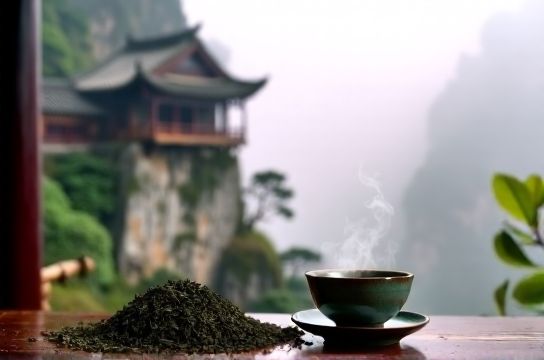
As a longtime oolong enthusiast and former tea buyer for specialty shops across Asia, I’ve tasted over 60 different Wuyi cultivars. And let me tell you—some of the most unforgettable sips came from names you won’t find on mainstream menus.
Why Rare Cultivars Matter
The term 'Yan Cha' (rock tea) refers to oolongs grown in the mineral-rich cliffs of Fujian’s Wuyi Mountains. While only a few cultivars dominate global markets, there are actually over 200 recorded varieties in the region. Many are kept within local circles due to low yields or difficulty in processing.
But that scarcity is exactly what makes them special. Take Rou Gui Zhi (not to be confused with Rou Gui)—a mutant strain discovered in the 1980s. It produces a floral, almost jasmine-like aroma with a creamy mouthfeel rare in Yan Cha. Or Huang Guo Lan ('Yellow Orange Orchid'), which lives up to its name with bright citrus notes layered over roasted stone fruit.
Top Rare Cultivars You Should Try
Beyond flavor, these teas offer insight into Wuyi’s biodiversity. Here’s a quick comparison:
| Cultivar | Flavor Profile | Roast Level | Annual Yield (kg) |
|---|---|---|---|
| Huang Guo Lan | Citrus, orchid, honey | Medium | <500 |
| Bai Ji Guan | Creamy, nutty, vegetal | Light-Medium | ~800 |
| Rou Gui Zhi | Jasmine, butter, spice | Medium | <300 |
| Bei Dou | Mineral, pine, dried plum | Heavy | ~600 |
As you can see, these cultivars produce less than 1 ton annually—some barely enough for local sale. That’s why finding authentic batches means building relationships with trusted producers or visiting during spring harvest (March–April).
How to Source Them Responsibly
Don’t fall for online listings claiming 'ultra-rare Yan Cha' at $10/50g. Real rare cultivars in Wuyi rock tea cost more due to labor intensity and scarcity. Look for direct-trade labels, harvest dates, and ideally, farm names.
Pro tip: Brew these with 96°C water and short steeps (10–15 sec), increasing gradually. Their nuances shine best when not over-extracted.
In short, if you’re ready to move beyond Da Hong Pao, dive into the obscure. The rare cultivars of Wuyi are not just novelties—they’re the future of fine oolong appreciation.