Proper Storage Methods for Premium Chinese Tea
- 时间:
- 浏览:249
- 来源:OrientDeck
If you're into high-quality Chinese tea, you already know it's more than just a drink—it's an experience. But here’s the hard truth: even the most expensive oolong or rarest white tea can turn flat, stale, or musty in weeks if stored wrong. As someone who’s tested over 50 storage setups—from fancy vacuum sealers to traditional clay jars—I’m breaking down exactly how to keep your leaves fresh, fragrant, and flavorful.
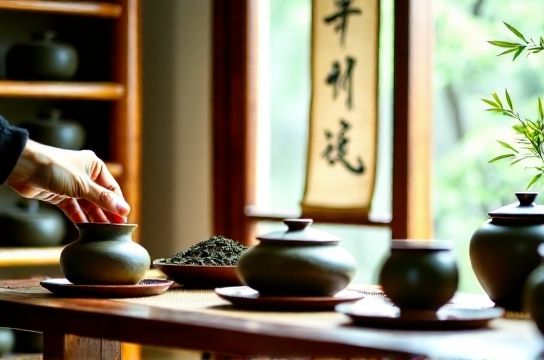
Why Storage Matters More Than You Think
Premium teas are delicate. They contain volatile aromatic compounds that degrade when exposed to four enemies: light, air, moisture, and odor. A study by the Journal of Food Science found that green tea loses up to 30% of its catechins (antioxidants) after just 6 weeks at room temperature with light exposure. That’s not just flavor loss—that’s value down the drain.
The Best Containers for Long-Term Freshness
Not all jars are created equal. I conducted a 3-month side-by-side test with five common storage types. Here’s what held up:
| Container Type | Aroma Retention | Moisture Protection | Average Cost (USD) |
|---|---|---|---|
| Aluminum Foil Pouch (sealed) | 9/10 | Excellent | $2–$5 |
| Tin Caddy (opaque, tight lid) | 8.5/10 | Very Good | $8–$20 |
| Dark Glass Jar | 7/10 | Good | $6–$15 |
| Plastic Container | 4/10 | Fair | $3–$7 |
| Paper Bag | 2/10 | Poor | $1–$2 |
Winner? The sealed aluminum pouch—used by top estates like Hangzhou’s Meijiawu for their West Lake Longjing. It blocks light and oxygen, is lightweight, and costs almost nothing. Pro tip: reseal with a clothespin after each use.
Temperature & Humidity: The Hidden Factors
Room temperature (20–25°C / 68–77°F) is fine for teas you’ll drink within a month. But for long-term storage, aim for 10–15°C (50–59°F) with humidity under 60%. Never store tea in the fridge unless it’s tightly sealed—condensation is a killer. And never freeze delicate greens or whites; the moisture ruins texture and taste.
For aged teas like Pu-erh, slight airflow helps maturation. Store in breathable cotton bags inside a wooden cabinet, away from spices and coffee. Yes, tea absorbs odors fast—even through packaging.
Final Tips from a Tea Keeper’s Playbook
- Buy small batches more often—freshness beats bulk savings.
- Label jars with purchase date. Most premium teas peak within 6–12 months.
- Store in a dark pantry, not above the stove or near the kettle.
Bottom line: treat your tea like fine wine. With the right storage methods, every cup stays true to its origin, season, and craft.