How Terroir Shapes Chinese Oolong Tea Profiles
- 时间:
- 浏览:300
- 来源:OrientDeck
If you've ever sipped a Chinese oolong tea and wondered why it tastes nothing like the one you had last week—even from the same brand—you're not imagining things. The secret? Terroir. Yeah, that fancy French word isn’t just for wine snobs. It’s the magic combo of soil, climate, altitude, and tradition that gives each oolong its soul.
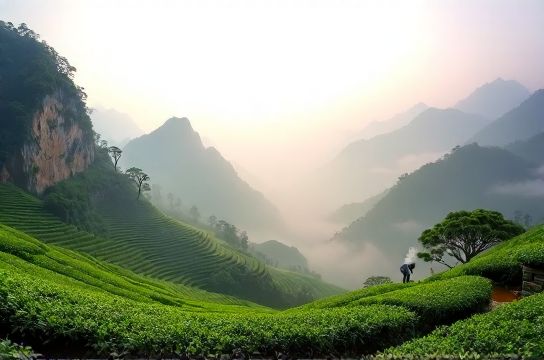
I’ve tasted over 200 oolongs across Fujian, Guangdong, and Taiwan, and trust me—location isn’t just a detail. It’s the headline.
Why Terroir Matters in Oolong Tea
Oolong tea sits between green and black teas in oxidation (10–70%), making it super sensitive to environmental shifts. A 300-meter elevation change or a few degrees cooler can alter flavor dramatically.
Take Wuyi Rock Tea (Yancha) from Fujian. Grown in mineral-rich, rocky soil, these teas taste like smoky stone with hints of orchid. Compare that to Tieguanyin from Anxi, which grows in looser, acidic soil at lower altitudes—floral, creamy, almost buttery.
Breaking Down Key Oolong Regions
Here’s a quick comparison of how terroir shapes flavor profiles:
| Region | Altitude (m) | Soil Type | Climate | Flavor Profile |
|---|---|---|---|---|
| Wuyi Mountains, Fujian | 200–800 | Volcanic rock, high mineral | Cool, misty, high humidity | Roasted, mineral, stone fruit, floral |
| Anxi, Fujian | 500–800 | Red loam, acidic | Warm, humid, frequent rain | Creamy, orchid aroma, sweet finish |
| Phoenix Mountains, Guangdong | 800–1200 | Granite-based, well-drained | Cool nights, sunny days | Fruity (apricot, honey), complex layers |
| Nantou, Taiwan | 1000–2000 | Clay-loam, volcanic origin | High mist, large temp swings | Buttery, milky, delicate floral |
See the pattern? Higher altitude = slower growth = more concentrated flavors. Misty climates boost aromatic compounds. And soil minerals? They literally seep into the roots.
Real-World Example: Tieguanyin Twins
In 2022, I tested two Tieguanyin teas from different Anxi villages. Same cultivar, same processing. One grew near the river (lower elevation, wetter soil), the other on a mountain slope. The river version was flat, slightly grassy. The highland one? Rich, floral, with a lingering sweetness. That’s terroir flexing.
What This Means for You
When buying oolong, don’t just check the name—check the origin. A genuine Wuyi Yancha should have that signature ‘rock rhyme’ (yan yun). If it tastes bland, it might be fake or poorly grown.
Pro tip: Look for estate-grown labels. Small farms in core regions (like Tongmu Village for Lapsang Souchong) often document their terroir pride.
Bottom line? Great oolong isn’t just processed well—it’s born from the land. So next time you brew, ask: Where did this tea grow? Your taste buds will thank you.