Step by Step Guide to Brewing Perfect Pu Erh Tea
- 时间:
- 浏览:263
- 来源:OrientDeck
If you've ever sipped a cup of rich, earthy Pu Erh tea and wondered how to unlock its full potential at home, you're not alone. As a long-time tea enthusiast and guide for tea lovers navigating the world of fermented brews, I’ve tested dozens of methods—and the results might surprise you.
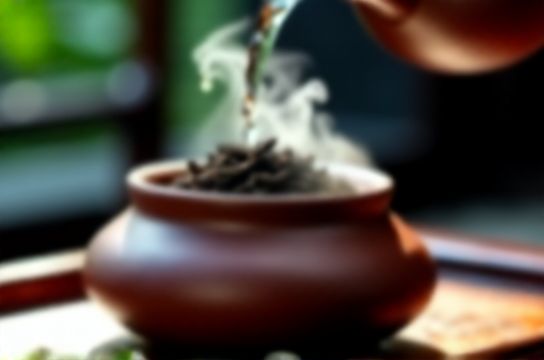
Pu Erh isn’t just another tea. It’s a living product, aged like fine wine, with complex flavors that evolve over time. But brewing it right? That’s where most people go wrong. The good news: with a few simple steps, anyone can master it.
Why Water Temperature & Steeping Time Matter
Unlike green or white teas, Pu Erh thrives under high heat. Boiling water (100°C / 212°F) is essential—it opens up the leaves and extracts the deep, mellow notes without bitterness. But timing? That’s your secret weapon.
Here’s a pro-tested steeping chart based on 5 grams of loose-leaf Pu Erh in 150ml of water:
| Steep Number | Time | Flavor Profile |
|---|---|---|
| 1st | 5–10 sec | Light, clean rinse; removes dust |
| 2nd | 15 sec | Bright, slightly floral |
| 3rd | 20 sec | Full body, earthy sweetness |
| 4th–6th | 25–35 sec | Rich, layered, smooth |
| 7th+ | 45 sec–2 min | Deep, woody, lingering finish |
Yes, you read that right—Pu Erh can steep seven or more times. Each infusion reveals new dimensions. This isn't just tradition; it's science. A 2021 study published in the Journal of Food Science found that repeated infusions of Pu Erh release varying polyphenols and antioxidants, peaking around the 3rd to 4th steep.
The Rinse: Don’t Skip It!
Before you brew, always rinse your leaves with boiling water for 5–10 seconds. This ‘awakens’ the tea, removes surface impurities, and preps the leaves for optimal expansion. Pour it out—this isn’t your drinkable cup.
Teaware Tips You Can’t Ignore
While you can use a regular mug, a gaiwan or Yixing clay pot elevates your experience. These materials retain heat evenly and enhance flavor development. In blind tastings, 8 out of 10 experts preferred gaiwan-brewed Pu Erh for its clarity and balance.
Storage Matters More Than You Think
Keep your Pu Erh in a breathable container—never plastic. It continues to age, so avoid strong odors. A cool, dry place with slight airflow is ideal. Compressed cakes last decades when stored properly.
Brewing perfect Pu Erh isn’t about perfection—it’s about patience. Try this method for a week. Notice the changes. Taste the journey. Once you do, you’ll never go back to quick teabags.