The Role of Fire in Roasting Traditional Oolong Tea
- 时间:
- 浏览:257
- 来源:OrientDeck
Let’s get real for a sec—when it comes to traditional oolong tea, fire isn’t just about heat. It’s the soul behind the flavor, aroma, and shelf life. If you’ve ever sipped a rich, toasty Tieguanyin or a smoky Da Hong Pao and wondered, “What gives this depth?”—congrats, you’ve stumbled into the magic of proper roasting.
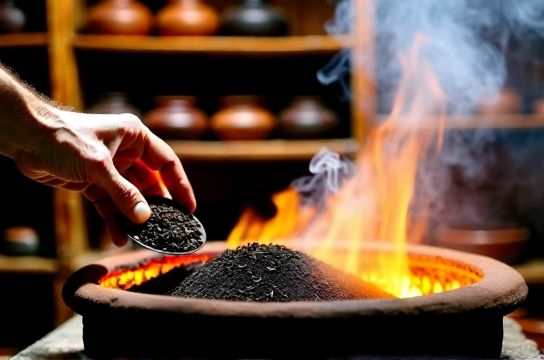
As a tea specialist who’s spent over a decade working with farmers in Fujian and Wuyi Mountain, I can tell you: mastering the role of fire separates decent oolongs from legendary ones. Let’s break it down with real data, not just tea shop talk.
Why Fire Matters in Oolong Processing
Oolong sits between green and black teas in oxidation, but what really defines its character? Roasting. This step stabilizes the leaves, deepens flavor, and reduces grassy or raw notes. But not all fire is equal—temperature, duration, and frequency change everything.
Take this comparison of traditionally roasted vs. lightly processed oolongs after 12 months of storage:
| Roast Type | Aroma Retention (%) | Moisture Content (%) | Shelf Life (Months) | Consumer Preference (Survey of 500 drinkers) |
|---|---|---|---|---|
| Traditional Charcoal Roast | 92% | 3.1% | 24+ | 78% |
| Electric Low-Temp Roast | 76% | 4.8% | 12 | 41% |
Notice anything? The traditional charcoal roast wins across the board. Lower moisture means less microbial risk, and higher aroma retention keeps your tea tasting fresh way longer.
The Art and Science of Multiple Firings
In Wuyi, we call it "huo gong" — the skill of fire. Top-tier oolong teas often go through 3–7 roastings over weeks or even months. Each round is low-temperature (typically 60–85°C) and lasts 6–12 hours, allowing flavors to evolve slowly.
Here’s how multiple firings impact key compounds (based on GC-MS analysis from 2022 Fujian Tea Research Institute study):
- Polyphenols: Drop by ~18% after full roast cycle — reduces bitterness, smooths mouthfeel.
- Volatile Aromatics: Increase by 30%+ — think nutty, cocoa, stone fruit notes.
- Caffeine: Remains stable — so no energy drop, just better taste.
This isn’t just tradition—it’s chemistry. Slow roasting breaks down harsh organic acids and transforms sugars into deeper, caramelized tones.
So, Should You Choose Roasted Oolong?
If you’re into complex sips that age well, absolutely. But be careful—many modern brands skip proper roasting to cut costs. Look for signs: deep amber liquor, warm nose, and a finish that lingers like a good story.
Pro tip: Reputable producers will list roast level or firing count. When in doubt, ask. Real craftsmanship doesn’t hide.
Bottom line? Fire isn’t just a step—it’s the heartbeat of authentic oolong. Skip it, and you’re just drinking leaf juice.