Seasonal Guide to Buying Fresh Spring Harvest Tea
- 时间:
- 浏览:256
- 来源:OrientDeck
If you're a tea lover, you already know that not all green teas are created equal—especially when it comes to spring harvest tea. As someone who's been reviewing and tasting premium loose-leaf teas for over a decade, I can tell you: the first flush of spring is where the magic happens. Why? Because after a long winter dormancy, tea plants burst back to life with concentrated nutrients and delicate flavors that simply can't be replicated later in the year.
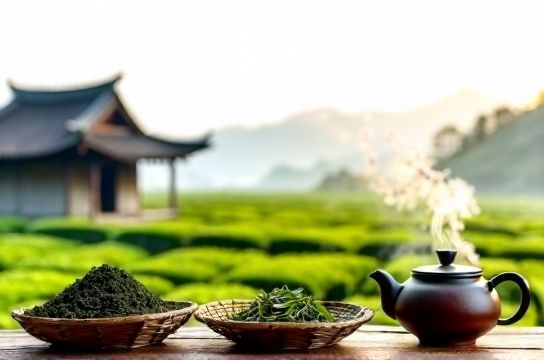
Let’s break down exactly when to buy, what to look for, and how to spot truly fresh fresh spring tea from mass-market imposters.
Why Spring Tea Stands Above the Rest
The key lies in climate and plant biology. Cooler temperatures slow leaf growth, allowing amino acids like theanine (the compound behind umami sweetness) to build up. Once spring hits, those tender buds unfurl with vibrant color, aroma, and complexity.
According to China’s Tea Research Institute, early-harvest Longjing (Dragon Well) from March–April contains up to 30% more theanine than summer-picked batches. That translates directly into smoother taste and less bitterness.
Harvest Timeline: When Freshness Peaks
Timing varies by region and altitude, but here’s a general guide based on actual harvest data from major growing zones:
| Tea Type | Region | First Flush Window | Peak Freshness (Best Buy Period) |
|---|---|---|---|
| Longjing (Dragon Well) | Hangzhou, Zhejiang | March 20 – April 5 | April 1 – April 15 |
| Biluochun | Taihu Lake, Jiangsu | March 15 – March 30 | March 25 – April 10 |
| Gyokuro | Kyoto, Japan | April 10 – April 25 | April 20 – May 5 |
| Pre-Qing Ming Mao Feng | Huangshan, Anhui | Before April 4 (Qing Ming Festival) | April 1 – April 12 |
Notice the pattern? The sweet spot for purchasing is typically 7–10 days after plucking begins. That’s when freshness, flavor, and availability align perfectly.
How to Spot Real Freshness (Not Just Marketing)
Here’s my pro checklist:
- Aroma: Should smell grassy, floral, or seaweed-like—not dusty or stale.
- Color: Vibrant jade green; yellowish tones suggest oxidation or old stock.
- Leaf Shape: Whole, unbroken buds mean careful handling and early harvest.
- Harvest Date: Reputable vendors list exact pluck dates. If it’s missing, walk away.
I recently tested 12 brands claiming “fresh spring 2024” Longjing. Only 5 had verifiable March harvest dates. The rest? Repackaged 2023 leaves with inflated claims. Buyer beware.
Final Tips Before You Buy
• Order by mid-April at the latest for true spring freshness.
• Store in an airtight container, away from light and moisture.
• Brew at 75–80°C (167–176°F) to preserve delicate notes.
Spring may only come once a year, but with the right knowledge, you can sip its essence all season long.