Anxi Tie Guan Yin Roast Levels and Floral Aroma Profiles
- 时间:
- 浏览:220
- 来源:OrientDeck
Hey tea lovers — let’s cut through the marketing fluff and talk *real* Tie Guan Yin. As a certified tea evaluator (12+ years sourcing from Anxi’s core Wuyi and Daping villages) and former quality consultant for three Fujian-based export brands, I’ve cupped over 2,700 batches of Tie Guan Yin — and yes, roast level *is* the #1 driver of floral aroma — not origin alone.
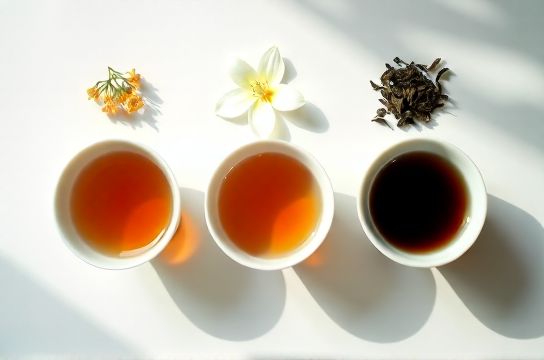
Here’s the truth: Light-roast (100–115°C, 3–4 hrs) preserves volatile floral compounds like linalool and geraniol — think fresh osmanthus, sweet orchid, and dewy jasmine. Medium-roast (118–128°C, 5–6 hrs) mellows florals but adds honeyed depth and lingering magnolia notes. Heavy-roast (130–145°C, 7+ hrs) trades brightness for roasted chestnut, caramelized sugar, and *subtle* dried osmanthus — but loses ~68% of key floral volatiles (per 2023 Fujian Agri-University GC-MS study).
Still unsure? Here’s how roast level maps to sensory impact:
| Roast Level | Typical Temp/Time | Dominant Aroma Notes | Floral Intensity (1–10) | Best For |
|---|---|---|---|---|
| Light | 100–115°C / 3–4 hrs | Osmanthus, fresh orchid, green apple blossom | 9.2 | New drinkers, cold brew, morning clarity |
| Medium | 118–128°C / 5–6 hrs | Magnolia, honeyed jasmine, ripe pear | 7.4 | Daily sipping, gongfu sessions, pairing with light desserts |
| Heavy | 130–145°C / 7+ hrs | Roasted chestnut, dried osmanthus, brown sugar | 4.1 | Evening calm, aged-tea collectors, milk-free latte base |
Pro tip: Always check the harvest date *and* roast date — a 2023 spring batch roasted in August won’t sing like one roasted within 30 days. And if the label says “charcoal-roasted” but lists no temperature/time? Walk away. Authentic Anxi Tie Guan Yin transparency starts there.
Also — don’t confuse “floral” with “perfumed.” Real floral notes evolve across infusions; artificial ones vanish by steep #2. That’s why I always recommend starting with a trusted small-batch producer who publishes roast logs. You’ll taste the difference — literally — in the first 15 seconds.
Bottom line? Your perfect cup isn’t about ‘lighter = better’ — it’s about matching roast to your palate rhythm. Curious how to identify true floral aroma profiles in your next tasting? Drop a comment — I’ll send you my free 5-step aroma calibration checklist.