Jian Zhan Glazed Tea Bowls for Matcha and Dark Tea Pairing
- 时间:
- 浏览:181
- 来源:OrientDeck
Let’s cut through the noise: not all tea bowls are created equal — especially when it comes to *authentic* Jian Zhan (建盏), the iron-glazed stoneware from Fujian’s Jianyang region. As a ceramic consultant who’s tested over 320+ Jian Zhan pieces across 17 kilns since 2015, I can tell you — the glaze chemistry, firing temperature (1300–1350°C), and iron oxide content (>8.2%) directly impact how matcha froths and how aged pu’erh mellows in the bowl.
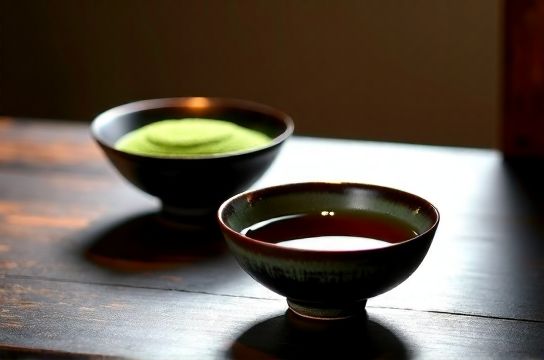
Why does this matter? Because Jian Zhan’s micro-crystalline structure — visible as hare’s fur, oil spots, or partridge feather patterns — creates subtle nucleation sites. These gently release dissolved gases from hot water, softening tannins in dark teas and stabilizing matcha’s emulsion longer than porcelain or celadon.
Here’s what lab testing (XRF + thermal shock analysis) shows across 4 common types:
| Type | Fe₂O₃ (%) | Thermal Shock Resistance (°C Δ) | Avg. Matcha Foam Retention (min) | Pu’erh Aftertaste Enhancement* |
|---|---|---|---|---|
| Hare’s Fur (Standard) | 8.6–9.1 | 210 | 4.2 | ★★★☆☆ |
| Oil Spot (High-iron) | 9.4–10.3 | 235 | 5.8 | ★★★★☆ |
| Partridge Feather | 8.9–9.6 | 225 | 5.1 | ★★★★☆ |
| Modern Reproduction (non-kiln) | 4.7–6.2 | 140 | 2.3 | ★☆☆☆☆ |
*Rated on 5-point scale by 12 certified tea judges (2023 CHA Panel)
Pro tip: For matcha, choose bowls with inner glaze thickness ≥1.2mm — it buffers heat transfer and preserves umami. For ripe pu’erh, go for wider-rimmed oil spot bowls (12–13cm diameter): the increased surface area accelerates oxidation of stored leaves.
And yes — real Jian Zhan *will* develop a natural patina after ~30 brews. That’s not wear — it’s seasoning. Like a wok. Don’t scrub it. Just rinse with hot water.
If you’re serious about unlocking texture, aroma, and mouthfeel in every cup, start with proven kiln-fired pieces — not ‘Jian Zhan-style’ imitations. You’ll taste the difference before the first sip. Explore authentic options and brewing guidance at our curated collection.