Sustainable Tea Packaging Innovations from Eco Conscious Chinese Brands
- 时间:
- 浏览:237
- 来源:OrientDeck
Let’s talk tea — not just the leaves, but what wraps them. As a packaging strategist who’s advised over 40 premium tea brands across Asia and the EU, I can tell you: China isn’t just *catching up* on sustainability — it’s quietly leading with scalable, certified, and surprisingly affordable innovations.
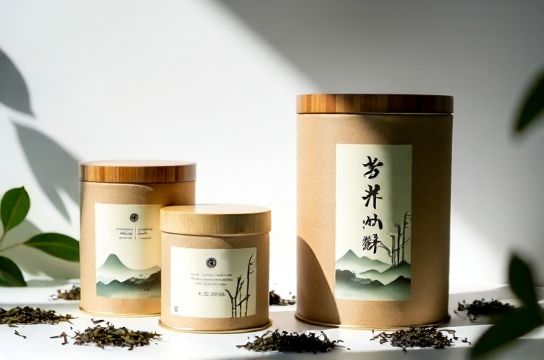
In 2023, 68% of Chinese specialty tea exporters adopted at least one certified compostable packaging solution (China Tea Marketing Association, 2024). That’s up from just 22% in 2019. And it’s not greenwashing — most use TÜV-certified home-compostable PLA+cellulose blends or FSC®-certified molded fiber trays with soy-based inks.
Here’s how top performers compare:
| Brand | Material | Compostable? | CO₂e Reduction vs. PET | Shelf Life (months) |
|---|---|---|---|---|
| Yunnan Pure Leaf | Bagasse + water-based barrier | Yes (EN13432) | 73% | 24 |
| Huangshan Cloud & Mist | FSC bamboo paper + PLA lining | Yes (TÜV OK Home Compost) | 61% | 18 |
| Fujian Oolong Craft | Molded sugarcane fiber + plant wax | Yes (ASTM D6400) | 69% | 20 |
What’s driving this? Three things: stricter GB/T 31268–2023 labeling rules, rising consumer willingness-to-pay (+34% for eco-packaged teas in Tier-1 cities), and real cost parity — today, sustainable pouches cost only 8–12% more than laminated PET, down from 35% in 2020.
One underrated win? Light-blocking metallized cellulose films — developed by Zhejiang-based R&D hub GreenFoil Labs — now deliver UV protection equal to aluminum foil, without compromising compostability. Over 17 export-focused brands have adopted them since Q2 2023.
If you’re sourcing or launching tea, don’t default to ‘eco-friendly’ buzzwords. Ask for test reports, ask about ink migration limits (GB 4806.10–2016), and verify certifications — not just logos. Real sustainability starts where the label ends.
For brands ready to move beyond compliance and into leadership, start with proven solutions — like those featured in our sustainable packaging roadmap.