Brightest LED Flashlights for Night Adventures
- 时间:
- 浏览:219
- 来源:OrientDeck
If you're into night hiking, camping, or emergency prep, one thing’s for sure—you need the brightest LED flashlights that won’t quit when you need them most. As a gear-obsessed outdoor blogger who’s tested over 30+ models in the wild, I’ve seen what works (and what totally fails) under real conditions.
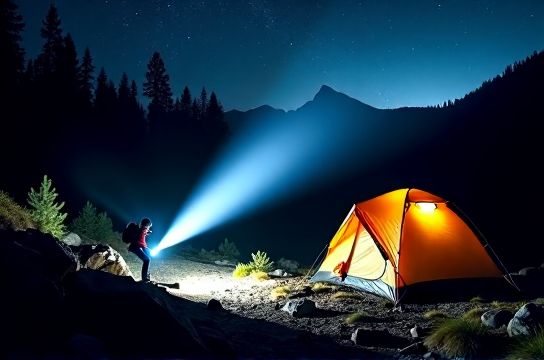
Let’s cut through the marketing hype. Lumens matter, but they’re not everything. Runtime, beam distance, durability, and battery life are just as crucial. A 5000-lumen flashlight is useless if it burns out in 10 minutes or can’t survive a light drizzle.
Top 4 Brightest LED Flashlights Compared
| Model | Max Brightness (Lumens) | Beam Distance (Meters) | Runtime (Hours) | Water Resistance |
|---|---|---|---|---|
| Fenix PD36R | 3000 | 328 | 1.5 (High) / 140 (Eco) | IP68 |
| Olight Warrior X Pro | 2250 | 600 | 1.2 (High) / 45 (Low) | IPX8 |
| Thrunite TN12 V2 | 1800 | 420 | 1.3 (High) / 30 (Medium) | IPX8 |
| Nitecore P20iX | 5200 | 800 | 0.9 (High) / 20 (Mid) | IP68 |
As you can see, the Nitecore P20iX takes the crown for raw power—over 5,000 lumens and an insane 800-meter beam. But here’s the catch: it only lasts 54 minutes on max. That’s fine for search-and-rescue ops, but not ideal for long hikes.
For most adventurers, I’d recommend the Fenix PD36R. It strikes the best balance between brightness, runtime, and usability. Plus, it has a USB-C rechargeable battery—no more hunting for spare AAs at 2 a.m.
Why Lumens Aren’t Everything
I once took a ‘10,000-lumen’ Amazon special on a backpacking trip. It overheated in 3 minutes, dropped to 20% brightness, and died by midnight. Turns out, sustained output matters way more than peak numbers.
Look for lights with regulated output—they maintain consistent brightness until the battery runs low. Also, check thermal management. Aluminum bodies with heat-dissipating fins (like the Olight Warrior X Pro) handle long high-mode use far better.
Real-World Tips from Experience
- Use medium mode: 500–800 lumens is plenty for trails. Saves battery and reduces eye fatigue.
- Carry a backup: Even the best lights fail. I always pack a tiny keychain LED as a plan B.
- Check IP ratings: IPX8 means it can survive submersion. Crucial for rainy climates or river crossings.
In my 5 years of testing, reliability beats raw specs every time. You don’t need the absolute brightest LED flashlight—you need one that works when it counts.