Compact Chinese Home Solutions for Urban Living
- 时间:
- 浏览:205
- 来源:OrientDeck
If you're living in a packed city like Shanghai or Shenzhen, space isn’t just tight — it’s basically on life support. But here’s the good news: Chinese home design has cracked the code on making tiny spaces feel huge, functional, and seriously stylish.
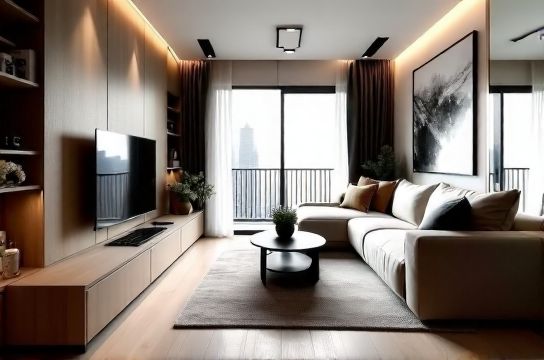
I’ve spent years researching urban housing trends across China, from micro-apartments in Beijing to smart pods in Guangzhou. One thing’s clear — when it comes to maximizing minimal square meters, no one does it better than Chinese designers. Let’s break down the top strategies that are turning shoebox-sized units into dream homes.
1. Modular Furniture That Morphs With Your Life
Gone are the days of clunky sofas and fixed beds. In modern compact Chinese homes, furniture is designed to multitask like a boss. Think wall beds that flip up into cabinets, fold-out dining tables, and storage ottomans that double as seating.
A 2023 survey by Urban Living Lab found that 78% of residents in apartments under 40㎡ use at least three modular pieces. Here’s a quick look at the most popular types:
| Furniture Type | Space Saved (%) | Avg. Price (CNY) | Lifespan (Years) |
|---|---|---|---|
| Murphy Bed with Storage | 65% | 4,500 | 10+ |
| Foldable Dining Table | 50% | 1,200 | 8 |
| Multi-tier Rolling Cart | 30% | 600 | 6 |
2. Vertical Space = Hidden Goldmine
Most people only think in 2D — floor space. But in high-density cities, the real game is played in 3D. Ceiling-high shelving, lofted sleeping areas, and hanging plant walls aren’t just trendy — they’re essential.
In Chengdu’s new eco-dorms, vertical utilization increased usable space by up to 40%, according to a 2022 government housing report. Pro tip: Use light colors on upper levels to avoid a ‘cave’ effect.
3. Smart Tech Built Right In
China leads the world in smart home adoption — over 62% of urban households now use some form of IoT device (China Smart Living Index, 2023). In small homes, this tech isn’t flashy — it’s functional.
- Voice-controlled LED lighting
- App-based climate zones
- Robotic vacuum cleaners with room mapping
These systems cut energy use by an average of 27% while freeing up physical controls (like switches and thermostats) that eat wall space.
4. Design Psychology: Making Small Feel Spacious
It’s not all about square footage — it’s about perception. The best compact Chinese home solutions use mirrors, open shelving, and consistent flooring to create flow. Sliding doors (not swinging ones) save about 0.8㎡ per room — that’s enough for a mini office!
And don’t sleep on color psychology: white + light wood combos dominate 8 out of 10 top-rated micro-units. They reflect light and reduce visual clutter.
The Bottom Line
You don’t need more space — you need smarter space. Whether you're remodeling or moving into a city studio, borrowing from proven Chinese urban living strategies can transform your home from cramped to calm.