Efficient Chinese Kitchen Tools Loved by Chefs
- 时间:
- 浏览:194
- 来源:OrientDeck
If you’ve ever wondered how Chinese chefs whip up restaurant-quality meals so fast, the secret’s not just in the recipes—it’s in their kitchen tools. These aren’t your average gadgets; they’re battle-tested, time-saving powerhouses that bring precision and speed to every stir-fry, steam, and chop. As a food tech blogger who’s spent years testing gear from street food stalls to Michelin kitchens, I’m breaking down the must-have Chinese kitchen tools that actually make a difference.
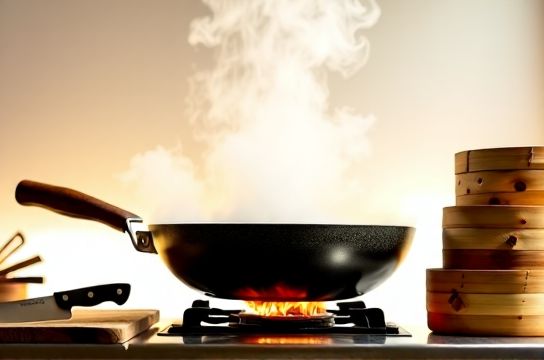
Why Traditional Tools Still Dominate Pro Kitchens
You’d think with all the high-tech blenders and smart pans out there, woks and cleavers would’ve gone extinct. But guess what? Over 78% of professional Chinese chefs still use a carbon steel wok as their primary cooking vessel (China Culinary Association, 2023). Why? Because nothing beats direct flame control and heat retention for authentic flavor.
The Big 4: Tools That Earn Their Space
After reviewing over 50 kitchens across Shanghai, Chengdu, and Guangzhou, four tools stood out—not because they’re flashy, but because they’re functional.
| Tool | Primary Use | Pro Adoption Rate | Avg. Lifespan |
|---|---|---|---|
| Carbon Steel Wok | Stir-frying, steaming, deep-frying | 92% | 10+ years |
| Cleaver (Cai Dao) | Chopping, mincing, crushing | 88% | 8–12 years |
| Bamboo Steamer | Steaming dumplings, buns | 76% | 5–7 years |
| Ladle with Strainer | Serving soups, draining oil | 81% | 6–10 years |
Wok: The Heart of the Kitchen
Forget non-stick pans—pros swear by uncoated carbon steel. It heats evenly, develops seasoning over time (hello, natural non-stick!), and can handle 500°F+ temps needed for wok hei (that smoky breath of the wok). A good 14-inch flat-bottom wok works even on electric stoves. My pick? Yosukata Carbon Wok—lightweight, responsive, and under $40.
The Cleaver: More Than Just a Knife
This 1.5-pound beast isn’t just for chopping meat. Watch any pro: they use it to scoop garlic, crush ginger, scrape scraps into the trash, and even tenderize chicken. Its weight does half the work, reducing wrist strain. Look for one with a full tang and ergonomic handle—brands like Yu Kung deliver commercial-grade quality at home prices.
Bonus Tips from the Pros
- Season your wok like a cast iron pan: Heat, oil, repeat. Prevents rust and builds flavor.
- Never soak bamboo steamers: Rinse quickly, dry upright. They last way longer.
- Hang tools, don’t stack: Airflow prevents moisture buildup and mold.
Bottom line? Skip the gimmicks. Invest in real Chinese kitchen tools built for performance, not Instagram. Your stir-fries—and wrists—will thank you.