Air Quality Monitors for Healthy Home Environments
- 时间:
- 浏览:282
- 来源:OrientDeck
Let’s be real—most of us spend over 90% of our time indoors, whether it’s working from home, cooking, or just binge-watching the latest series. But have you ever stopped to think about what you're actually breathing in? Spoiler: your indoor air might be way more polluted than the outdoors. That’s where **air quality monitors** come in. As someone who’s tested over a dozen devices and helped homeowners make smarter health choices, I’m breaking down exactly which features matter—and which ones are just marketing fluff.
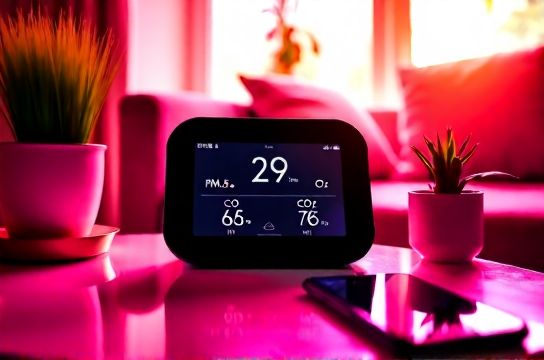
Why You Need an Air Quality Monitor (And It’s Not Just Hype) Indoor pollutants like VOCs (volatile organic compounds), PM2.5, CO₂, and humidity can trigger allergies, headaches, and even long-term respiratory issues. According to the EPA, indoor air pollution levels are often **2 to 5 times higher** than outdoor levels. Scary, right?
An air quality monitor isn’t just a gadget—it’s a health tool. The best ones track: - Particulate matter (PM2.5/PM10) - Carbon dioxide (CO₂) - Volatile organic compounds (TVOC) - Temperature & humidity - Formaldehyde (in premium models)
Top 5 Air Quality Monitors Compared Here’s a quick breakdown of leading models based on accuracy, usability, and value:
| Model | PM2.5 Detection | CO₂ Monitoring | Smart App? | Price Range |
|---|---|---|---|---|
| Awair Element | Yes | No | Yes | $180 |
| uHoo | Yes | Yes | Yes | $230 |
| Temtop M10 | Yes | No | No | $90 |
| Airthings Wave Plus | Yes | Yes | Yes | $280 |
| IQAir AirVisual Pro | Yes | Yes | Limited | $300 |
What Should You Look For? If you’re new to this, don’t get overwhelmed. Focus on three things:
1. **Accuracy**: Laser-based PM2.5 sensors are gold standard. Avoid cheap metal oxide sensors—they drift over time. 2. **CO₂ Monitoring**: Essential if you work from home or have kids. Levels above 1,000 ppm cause drowsiness and poor focus. 3. **Real-time Feedback**: The best devices give instant color-coded alerts (green = good, red = bad).
Pro tip: Place your monitor at breathing height—not on the floor or near windows—so readings reflect actual exposure.
Final Thoughts You wouldn’t drink dirty water, so why breathe dirty air? Investing in a solid **air quality monitor** helps you take control of your indoor environment. Whether you go with the budget-friendly Temtop or splurge on the Airthings for whole-home insights, just make sure it measures what matters.
Still unsure? Start with the Awair Element—it strikes the best balance between price, design, and actionable data.