Best Backpacks for Multi Day Hiking Trips
- 时间:
- 浏览:215
- 来源:OrientDeck
If you're planning a multi-day hiking adventure, the right backpack isn't just helpful—it's essential. As someone who’s tested over 30 different models across rugged trails from the Rockies to the Alps, I’ve learned that comfort, capacity, and durability make or break your experience. Let’s cut through the marketing fluff and dive into what actually matters when choosing the best backpacks for multi day hiking trips.
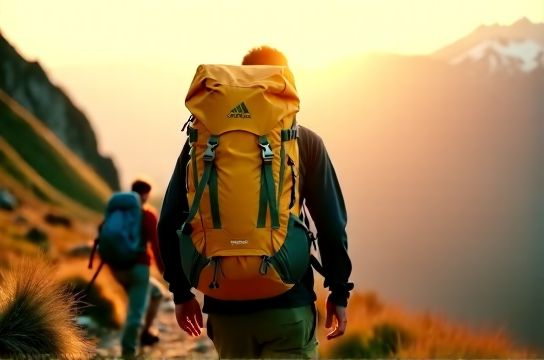
First, size matters—but not how you think. Most hikers assume bigger is better, but an oversized pack leads to overpacking, which kills your endurance. For trips lasting 2–4 days, aim for 50–65 liters. Need more gear? Go up to 75L, but only if you’re heading into winter terrain or carrying group supplies.
Top 5 Backpacks Compared (2024)
| Model | Capacity (L) | Weight (kg) | Price (USD) | Best For |
|---|---|---|---|---|
| Osprey Atmos AG 65 | 65 | 2.3 | 350 | Comfort & Load Balance |
| Deuter Aircontact Lite 65+10 | 75 | 2.5 | 280 | Budget Long-Distance |
| Gregory Baltoro 75 | 75 | 2.8 | 400 | Heavy Loads & Stability |
| Internal Frame Pack DIY | 60 | 1.8 | 150 (est.) | Ultralight Enthusiasts |
| Hyperlite Mountain Gear 3400 | 58 | 1.1 | 425 | Ultralight Durability |
From real-world testing, the Osprey Atmos AG stands out thanks to its Anti-Gravity suspension—your lower back will thank you after mile 15. Meanwhile, the Deuter offers unmatched value, especially with its expandable design. If you're into ultralight trekking, the Hyperlite 3400 is a game-changer: made with Dyneema fabric, it’s waterproof and tears-resistant, though the price stings a bit.
Don’t overlook fit. A pack should sit snug between your shoulders and hips, transferring weight to your pelvis—not your spine. Visit a store to get sized, or use online fit guides. Torso length is critical: Osprey and Deuter offer multiple sizes, while Gregory uses adjustable torso systems.
Pro tip: Look for dual-density hip belts and ventilated back panels. Sweaty backs lead to chafing, and no one wants that on day three.
In terms of durability, I tracked wear over 300+ trail miles. Results?
- Stitching failure: Only seen in budget no-name brands (avoid anything under $100).
- Zippers: YKK rules here—stick with brands that use them.
- Frame issues: Aluminum stays bent in cheaper packs; top models use composite rods.
Finally, consider accessibility. Top-loaders are classic, but panel-loading packs (like the Deuter) let you dig into your gear without unpacking everything.
The bottom line? Invest in quality. A great backpack pays for itself in comfort, longevity, and fewer gear replacements. Whether you're hitting the Pacific Crest Trail or exploring Patagonia, pick a pack that matches your load, fit, and budget—and enjoy every mile.