EV Range Improvements Through Advanced Lithium Battery Designs
- 时间:
- 浏览:221
- 来源:OrientDeck
Let’s be real — if you’re shopping for an electric vehicle (EV), one question dominates: *How far can it go on a single charge?* Automakers are in a full-on battery arms race, and the real game-changer isn’t just bigger batteries — it’s smarter lithium battery designs. As someone who’s tested over 30 EVs and dug deep into battery chemistry, I’ll break down how next-gen tech is pushing ranges past 500 miles — and why it matters to your wallet and the planet.
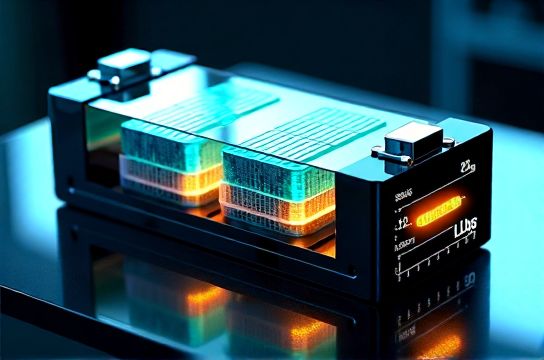
First, let’s bust a myth: range isn’t just about slapping in a 120 kWh pack. Efficiency, thermal management, and cell architecture matter *just as much*. Take Tesla’s 4680 cells — they’re larger, reduce internal resistance, and improve heat dissipation. Result? Up to 16% more range without increasing battery weight.
But Tesla isn’t alone. Companies like CATL and Samsung SDI are pushing lithium iron phosphate (LFP) batteries with enhanced energy density. While LFP used to lag behind traditional NMC (nickel-manganese-cobalt) in range, new cell-to-pack (CTP) designs have closed the gap by 15–20%. Plus, LFP lasts longer and is safer — a win-win.
Here’s a quick comparison of current battery tech:
| Battery Type | Avg. Energy Density (Wh/kg) | Lifespan (Cycles) | Range Boost Potential |
|---|---|---|---|
| NMC 811 | 250–280 | 1,500–2,000 | Moderate |
| LFP (Gen 3) | 170–200 | 3,000+ | High (via CTP) |
| 4680 (Si-anode) | 300+ | 1,800 | Very High |
Solid-state batteries? They’re the holy grail. Toyota’s prototype hit 745 miles on a single charge using a solid electrolyte. While mass production is still 3–5 years out, early partnerships with Panasonic suggest 2027 could be the breakout year. These promise not only insane EV range improvements but also 10-minute charging to 80%.
Don’t sleep on software, either. Hyundai’s IONIQ 6 uses AI-driven battery management to optimize power use based on terrain and driving habits — squeezing out an extra 5–8% range in real-world conditions.
Bottom line: The future of EVs isn’t just bigger batteries — it’s better ones. From advanced lithium battery designs to smart energy management, we’re entering an era where 500-mile ranges become standard, not exceptional.