Urban Mobility Transformation Fueled by Electrification Trends
- 时间:
- 浏览:218
- 来源:OrientDeck
Let’s be real—city life is changing fast, and how we move around town is no exception. As someone who’s been deep in the urban mobility space for over a decade, I’ve seen the shift from gas-guzzlers to sleek electric rides happen right before my eyes. The big story? Electrification isn’t just a trend—it’s reshaping our streets, policies, and daily commutes.
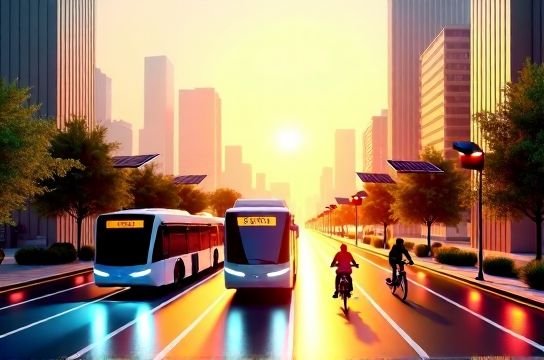
If you’re trying to make sense of this transformation (maybe you're considering an e-bike, or your city’s pushing for cleaner transit), here’s what you need to know—with real data, not just hype.
The Rise of Electric Rideables
From e-scooters to electric buses, cities worldwide are betting big on electrified transport. According to the International Energy Agency (IEA), there were over 500 million electric two-wheelers on the road in 2023—up from just 120 million in 2018. That’s insane growth.
But it's not just about personal gadgets. Public transit is going electric too. Take Shenzhen, China: they electrified their entire 16,000-bus fleet by 2017. Today, they save an estimated 1.35 million tons of CO₂ annually. That’s like taking 290,000 cars off the road. Pretty impressive, right?
Why This Shift Is Happening Now
Three main drivers: cost, climate, and congestion.
- Cost: Battery prices have dropped 89% since 2010 (BloombergNEF).
- Climate: Transport accounts for nearly 24% of global CO₂ emissions (IEA).
- Congestion: Micro-mobility options like e-bikes cut travel time in dense areas by up to 40%.
And let’s talk adoption. Cities like Paris, Amsterdam, and Bogotá are building dedicated lanes and offering subsidies. In 2023, Paris added 50 km of new e-scooter paths. Result? E-scooter usage jumped 68% year-over-year.
Electric vs. Traditional Urban Transport: By the Numbers
Here’s a quick comparison of common urban mobility options based on efficiency, cost, and environmental impact:
| Mobility Type | Avg. Cost/km (USD) | CO₂ Emissions (g/km) | Top Speed (km/h) |
|---|---|---|---|
| Gas Car | 0.15 | 170 | 120 |
| Electric Car | 0.08 | 75 | 140 |
| E-Bike | 0.02 | 22 | 25 |
| E-Scooter | 0.03 | 35 | 20 |
| Public Bus (Diesel) | 0.10 | 100 | 60 |
| Electric Bus | 0.06 | 40 | 60 |
As you can see, electric mobility wins on cost and emissions. Even better? When powered by renewable energy, e-buses and e-bikes can go nearly zero-emission.
What’s Next? Smart Integration
The future isn’t just electric—it’s smart. Cities are now using AI to manage fleets, optimize charging, and integrate services. For example, Helsinki’s “Mobility as a Service” (MaaS) app lets users plan, book, and pay for e-scooters, bikes, and trams all in one place. Since launch, car ownership in the city has dropped by 5%.
Experts predict that by 2030, over 60% of urban trips under 5 km will be made via e-mobility solutions. That means quieter streets, cleaner air, and less time stuck in traffic.
So whether you're a city planner, a commuter, or just curious about where urban life is headed—keep your eye on electrification. It’s not just changing how we ride. It’s redefining city living.