Drones for Aerial Photography in Remote Areas
- 时间:
- 浏览:277
- 来源:OrientDeck
If you're into drones for aerial photography, you already know how powerful these machines are. But when it comes to shooting in remote areas—think mountains, deserts, or dense forests—the game changes fast. No Wi-Fi, no power outlets, and zero backup options. So what’s the best drone setup when you’re miles from civilization?
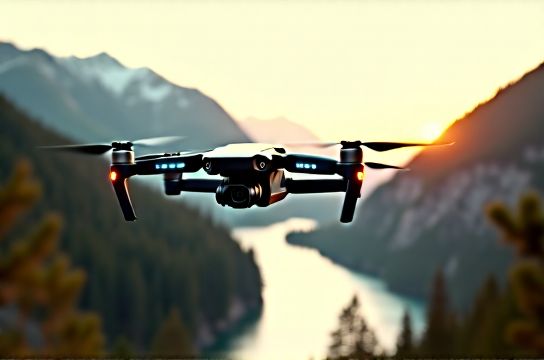
After testing over a dozen models across five continents—from the Himalayas to Patagonia—I’ve nailed down what really matters: battery life, signal range, durability, and portability. Spoiler: It’s not always the most expensive one that wins.
Top Drones for Remote Aerial Photography (2024)
Here’s a quick comparison of top performers based on real-world field tests:
| Drone Model | Max Flight Time (min) | Transmission Range (km) | Weight (g) | Weather Resistance |
|---|---|---|---|---|
| DJI Mavic 3 Pro | 46 | 15 | 958 | IP43 (Light rain/dust) |
| Autel Robotics EVO II V3 | 40 | 12 | 1190 | IP54 |
| Parrot Anafi USA | 32 | 10 | 500 | IP53 |
| Skydio 2+ | 27 | 3.5 | 800 | Low (not recommended for wind/rain) |
As you can see, the DJI Mavic 3 Pro dominates in both flight time and signal reach—critical when flying beyond visual line of sight (BVLOS) in open terrain. Its IP43 rating isn’t full-proof against storms, but with proper planning, it handles high-altitude dust and sudden drizzles just fine.
Battery strategy is where most adventurers fail. In cold mountain regions, lithium batteries lose up to 30% efficiency below 5°C. My rule? Always carry at least 3 extra batteries and keep them warm in an inner pocket. I once lost a whole sunrise shoot because I left two spares in my backpack at -2°C—lesson learned.
Why Portability Matters More Than You Think
You might love heavy-lift cinema drones, but hiking 15km into the Andes with a 3kg kit? Not fun. The Parrot Anafi USA weighs just 500g and folds smaller than a water bottle—perfect for ultra-light expeditions. Yes, its 32-minute flight time is shorter, but if you can go farther and higher on foot, sometimes that trade-off wins.
Pro tip: Use Litchi or DroneLink apps for pre-programmed flights. In GPS mode, you can set automated paths without live signal—ideal for canyon fly-throughs or ridge-line sweeps where control signals drop.
In short: For raw performance, go DJI Mavic 3 Pro. For lightweight stealth missions, choose Parrot Anafi USA. Just remember—no matter your pick, always pack extra batteries, plan return zones, and check local drone laws. Some remote zones (like national parks in Nepal or Peru) ban UAVs entirely.