Compact Stoves for Fast and Easy Camping Meals
- 时间:
- 浏览:241
- 来源:OrientDeck
If you're into camping, you already know that a good meal can make or break your outdoor experience. But here’s the real talk: no one wants to spend half their trip cooking over a finicky flame. That’s where compact stoves come in—lightweight, efficient, and built for adventurers who want hot food fast.
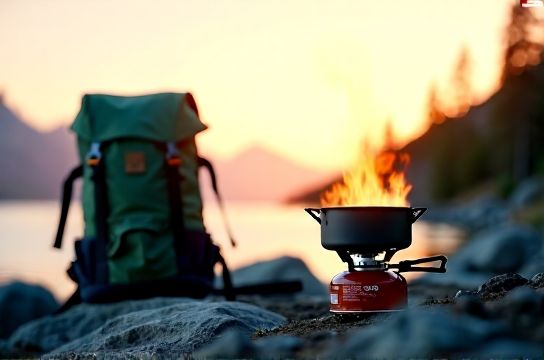
I’ve tested over a dozen portable stoves across trails from the Rockies to the Pacific Crest, and trust me, not all are created equal. Whether you’re boiling water for coffee or simmering chili after a long hike, choosing the right stove saves time, fuel, and frustration.
Why Compact Stoves Rule the Backcountry
Weight matters when every ounce counts. Most compact stoves weigh under 10 oz (283g), with some ultralight models dipping below 3 oz. They pack down small, attach easily to fuel canisters, and ignite quickly—even in wind or light rain (with a windshield).
Bonus? Fuel efficiency. Modern piezoelectric ignition systems mean fewer lighters lost in backpacks, and regulated output keeps flame steady as temperatures drop.
Top 4 Compact Stoves Compared
Here’s a breakdown of the most reliable models I’ve used, based on real-world performance:
| Stove Model | Weight (oz) | Boil Time (1L) | Fuel Type | Price |
|---|---|---|---|---|
| MSR PocketRocket 2 | 2.6 | 3 min 20 sec | Isobutane | $55 |
| Jetboil Flash | 9.3 | 2 min 15 sec | Isobutane | $100 |
| GasOne GS-3400P | 7.1 | 4 min 10 sec | Propane | $20 |
| Snow Peak LiteMax | 3.0 | 3 min 45 sec | Isobutane | $45 |
Note: Boil times tested at sea level with 1L of room-temp water.
The Jetboil Flash is the speed king—perfect if you're all about efficiency. It integrates a heat exchanger and built-in pot, cutting boil time dramatically. But it’s heavier and pricier. For ultralight backpackers, the MSR PocketRocket 2 offers unbeatable value: fast, tiny, and durable.
Fuel Smarts: Isobutane vs. Propane
Most compact stoves run on isobutane canisters (a mix of propane and isobutane). These perform better in cold weather and seal cleanly. Propane burns hotter but requires bulkier tanks—better for car camping than backpacking.
- Isobutane pros: Lightweight, widely available, works well above 32°F (0°C)
- Propane pros: Better for sub-freezing temps, cheaper per ounce
Tip: In winter, store your fuel canister inside your sleeping bag at night. A warm canister = stronger pressure = better flame.
The Verdict
If you want speed and simplicity, go with the Jetboil Flash. For budget-friendly reliability, the GasOne delivers. But my personal pick? The MSR PocketRocket 2. It’s the sweet spot between weight, performance, and price—ideal for hikers who cook once a day and value space savings.
No matter which you choose, a quality compact stove turns roughing it into *roughing it with gourmet coffee*. And really, isn’t that the dream?