Durable Rope and Paracord for Survival Needs
- 时间:
- 浏览:292
- 来源:OrientDeck
If you're into outdoor adventures, prepping, or just love being ready for anything Mother Nature throws your way, one thing you can't afford to skimp on is durable rope. Seriously—your life could depend on it. Whether you're building a shelter, securing gear, or improvising a rescue line, not all ropes are created equal. That’s where paracord comes in strong.
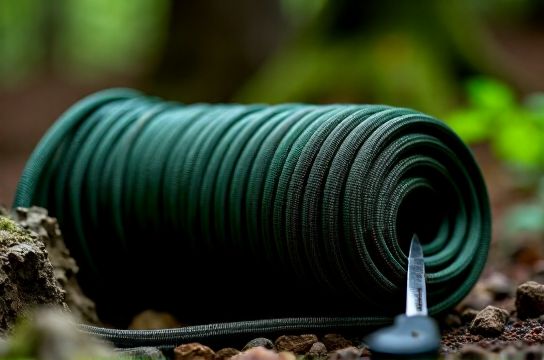
Why Paracord Dominates the Survival Game
Paracord, short for parachute cord, was originally used in WWII for parachutes. Fast forward to today, and it's a staple in every survivalist’s kit. Why? Lightweight, crazy strong, and versatile as heck. A standard 100-foot spool weighs less than half a pound but can hold up to 550 pounds—that’s the famous “550-cord” label.
But here’s the kicker: not every “550 paracord” is legit. Some cheap knockoffs use fewer inner strands or weaker nylon. Always check for MIL-SPEC certification if you want the real deal.
Paracord vs. Other Ropes: Breaking Down the Numbers
Let’s compare common rope types based on strength, weight, water resistance, and cost. Here's a quick breakdown:
| Rope Type | Tensile Strength (lbs) | Weight (oz per 50 ft) | Water Resistant? | Avg. Price ($/100 ft) |
|---|---|---|---|---|
| MIL-SPEC Paracord | 550 | 3.5 | Yes | 12–18 |
| Nylon Climbing Rope | 5,000+ | 28 | Yes | 150+ |
| Manila Rope | 300 | 12 | No | 8–10 |
| Polypropylene Utility Rope | 400 | 6 | Slight | 7–9 |
As you can see, durable rope like paracord hits the sweet spot between strength, portability, and reliability. Climbing rope might be stronger, but good luck carrying that on a hike. Manila? Absorbs water and rots fast. Polypropylene floats but degrades in UV light.
Real-World Uses You Might Not Expect
Beyond tying stuff down, paracord shines in creative ways. Strip open the sheath and you’ve got seven inner strands perfect for fishing line, sutures, or weaving into emergency thread. I’ve personally used it to fix a broken shoelace mid-hike (lifesaver), secure a tarp in heavy wind, and even make a DIY survival bracelet.
Pro tip: Learn the prusik knot—it lets you ascend a rope in emergencies. Pair paracord with carabiners and you’ve got a mini rescue system.
How to Pick the Best One
Stick to reputable brands like Tactical Tailor, Gemmy Industries, or US Cargo. Look for:
- 7 inner strands (not 1 or 3!)
- Minimal stretch (<10%)
- UV-resistant nylon
- MIL-C-5040H certification
The Bottom Line
When survival’s on the line, trust nothing less than genuine paracord. It’s affordable, lightweight, and multi-functional. Whether you're a weekend camper or hardcore prepper, keeping 50–100 feet in your pack is one of the smartest moves you can make.