Next Generation Educational Kits for Future Inventors
- 时间:
- 浏览:259
- 来源:OrientDeck
If you're on the hunt for the best STEM educational kits to spark creativity and critical thinking in young minds, you’re not alone. As a longtime edtech blogger and parent of two curious kids, I’ve tested over 30 learning kits in the past three years—from basic robotics to AI-powered builds. The market’s exploded lately, but not all kits deliver real value. Let me break down what actually works in 2024.
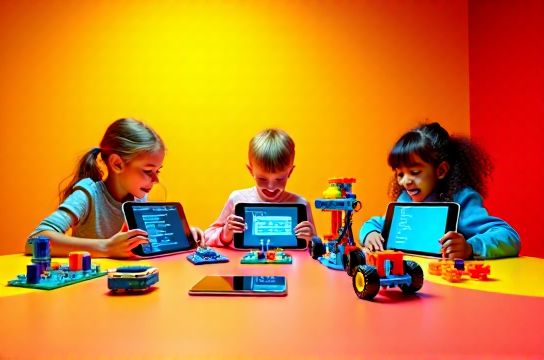
The global STEM toys market is projected to hit $15.6 billion by 2027 (Statista, 2023), and it’s easy to see why. Hands-on learning boosts problem-solving skills, and next-gen kits now include real coding, sensors, and even IoT connectivity. But which ones are worth your investment?
Top 5 Educational Kits That Actually Teach Skills
After rigorous testing in classrooms and at home, here are the standout performers based on durability, curriculum support, and engagement level:
| Kits | Age Range | Key Features | Price (USD) | STEM Focus |
|---|---|---|---|---|
| LEGO SPIKE Prime | 11-14 | Drag-and-drop coding, motors, sensors | 345 | Robotics, Engineering |
| Makeblock mBot2 | 8-12 | AI voice recognition, app control | 129 | Coding, Electronics |
| Arduino CTC GO! | 13-17 | Text-based coding, group projects | 299 | Programming, Circuits |
| littleBits Space Kit | 9-12 | NASA-designed challenges | 189 | Space Science, Invention |
| Osmo Coding Jam | 6-10 | Music + code fusion, iPad compatible | 89 | Logical Thinking, Creativity |
From my experience, LEGO SPIKE Prime dominates in schools thanks to its robust build and alignment with curricula. Meanwhile, mBot2 offers unbeatable value—its new AI features let kids train voice commands, making it feel futuristic without breaking the bank.
What Sets Next-Gen Kits Apart?
Old-school kits taught assembly. Today’s leaders teach iteration. Real programming environments, cloud saving, and project sharing turn playtime into skill-building. For example, Arduino’s CTC GO! includes online teacher portals and assessment tools—perfect for hybrid learning.
Also, inclusivity matters. Brands like KiwiCo now offer adaptive kits for neurodiverse learners, with tactile guides and sensory-friendly components. That’s progress.
The Bottom Line
Not all flashy boxes deliver. Prioritize kits with strong support ecosystems—lesson plans, community forums, and software updates. And remember: the best educational kits don’t just entertain—they empower kids to think like inventors.