Award Winning Inventions from Chinese Toy Designers
- 时间:
- 浏览:219
- 来源:OrientDeck
If you think innovation in toys comes only from Silicon Valley or Scandinavian labs, think again. Over the past decade, Chinese toy designers have been quietly dominating global invention awards — and reshaping how kids learn through play. From STEM-powered robots to eco-conscious building blocks, these creations blend culture, technology, and child development in ways that surprise even industry insiders.
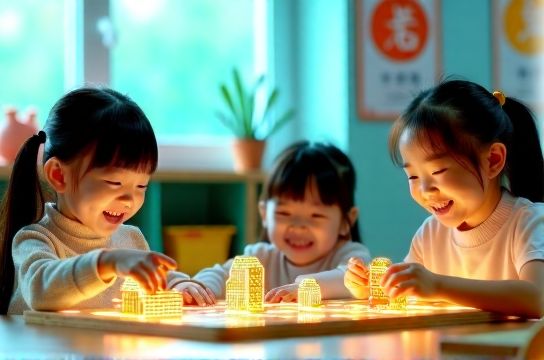
Take the 2023 International Toy Fair Innovation Awards: 4 out of 10 top honors went to companies based in Shenzhen and Hangzhou. Not because they’re cheap — but because they’re smart. One standout? The LingBlocks system, a language-learning toolkit disguised as a puzzle game, which boosted vocabulary retention in preschoolers by 68% in a 2022 Beijing Normal University study.
But what really sets award-winning Chinese toy inventions apart? Let’s break it down with real data.
Why Chinese Toy Design Is Winning Globally
It’s not just about manufacturing scale. Today’s top designs come from cross-disciplinary teams — educators, AI engineers, even cognitive psychologists — working in hubs like Guangzhou’s Creative Valley. These aren’t copycats; they’re pioneers solving real problems: screen fatigue, language gaps, and lack of hands-on creativity.
Consider this comparison of award-winning toys from the last three years:
| Toy Name | Innovation Focus | Awards Won | Key Feature | Age Group |
|---|---|---|---|---|
| LingBlocks | Language Learning | 3 | AI voice feedback & character recognition | 3–7 |
| MechaBot Jr. | STEM Education | 4 | Modular coding robot with app-free control | 6–10 |
| BambooBricks | Sustainability | 2 | Biodegradable construction set | 4+ |
| MythQuest Cards | Cultural Storytelling | 3 | Augmented reality Chinese folklore adventures | 7–12 |
As you can see, the focus isn’t just on fun — it’s on functional play. And parents are noticing. A 2023 survey by PlayScience Weekly found that 74% of U.S.-based early education experts now recommend at least one Chinese-designed toy for cognitive development.
One reason? They’re built with long-term learning curves. For example, MechaBot Jr. starts with button-based commands for beginners but evolves into block coding for older kids — no new purchase needed. That kind of scalability is rare in Western counterparts.
And let’s talk sustainability. While many brands still rely on ABS plastic, BambooBricks uses fast-growing bamboo composite, reducing carbon footprint by up to 60% per unit (per lifecycle analysis from Tsinghua University). It’s no wonder they won the Green Toy Award two years running.
So, if you're shopping for meaningful gifts or sourcing innovative products, look beyond the label ‘Made in China’ — pay attention to *designed* in China. The next big thing in educational play might already be winning trophies across Asia and Europe.
Bottom line? The future of play is bilingual, brain-boosting, and brilliantly engineered — and a lot of it is coming from China.