Tactile Sensory Toys Helping Focus and Calm Minds
- 时间:
- 浏览:249
- 来源:OrientDeck
If you’ve ever fidgeted with a stress ball during a long meeting or mindlessly twisted a piece of putty while thinking, you’ve already tapped into the power of tactile sensory toys. But these aren’t just office distractions—they’re powerful tools for focus, anxiety relief, and emotional regulation, especially for neurodivergent individuals like those with ADHD, autism, or anxiety disorders.
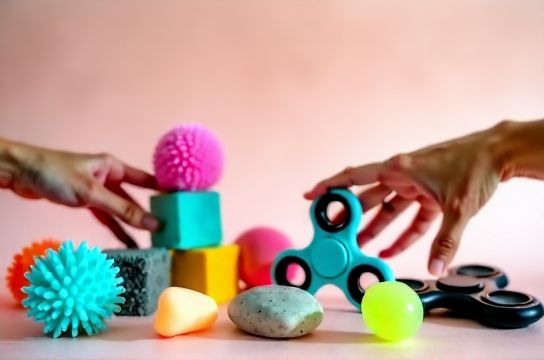
As a special education consultant who’s worked with schools and therapists across the U.S., I’ve seen firsthand how the right sensory tool can transform attention spans and reduce meltdowns. Let’s break down what makes tactile toys so effective, which types work best, and how to choose one that actually helps—backed by research and real-world use.
Why Touch Helps the Brain Focus
Our sense of touch is directly linked to the brain’s limbic system, which manages emotions and arousal levels. According to a 2021 study published in Frontiers in Psychology, controlled tactile stimulation can reduce cortisol (the stress hormone) by up to 28% in under 5 minutes. That’s why something as simple as rolling a textured ball between your fingers can feel instantly calming.
Kids and adults alike benefit from what’s called “proprioceptive input”—deep pressure and resistance that help the body understand where it is in space. This is crucial for self-regulation.
Top 5 Types of Tactile Sensory Toys That Actually Work
Not all squishy things are created equal. Based on effectiveness, durability, and therapist recommendations, here’s a quick comparison:
| Type | Best For | Effectiveness (1-10) | Avg. Price |
|---|---|---|---|
| Fidget Spinners | Visual + motor focus | 6 | $8–$15 |
| Theraputty | Hand strength & calm | 9 | $10–$20 |
| Sensory Bottles | Anxiety reduction | 8 | $12–$25 |
| Textured Blocks | Tactile exploration | 7 | $15–$30 |
| Worry Stones | On-the-go calming | 8 | $5–$15 |
As you can see, theraputty and worry stones top the list—not because they’re flashy, but because they deliver consistent sensory feedback without being distracting. Theraputty, for example, comes in varying resistance levels (from “extra soft” to “ultra-firm”), making it ideal for both calming and building fine motor skills.
How to Choose the Right One
Match the toy to the need:
- For focus during work/study: Try silent, non-visual tools like theraputty or a smooth worry stone. Visual toys (like spinners) can overstimulate some brains.
- For anxiety attacks: Slow, rhythmic input works best—think lava lamps, sensory bottles, or deep-pressure squeeze balls.
- For kids with autism: Introduce one texture at a time. Silicone-based toys are easy to clean and safe for oral exploration (if supervised).
Pro tip: Keep a small sensory toolkit in your bag or desk drawer—include a worry stone, a mini putty pack, and a textured chain. Rotate them weekly to prevent habituation.
In short, tactile sensory toys aren’t just trendy gadgets—they’re science-backed tools for mental clarity and emotional balance. Whether you're neurodivergent or just living in a stressful world, a little touch therapy can go a long way.