Drones Using AI for Autonomous Navigation Success
- 时间:
- 浏览:307
- 来源:OrientDeck
Let’s be real — when you’re shopping for a drone that can fly itself, the options can feel overwhelming. But if you're looking for true autonomous navigation, the game has changed thanks to AI. I’ve tested over 20 models in the past two years, from hobbyist picks to pro-grade units used in surveying and search-and-rescue ops. And one thing is clear: drones using AI aren’t just cool tech — they’re delivering real-world success.
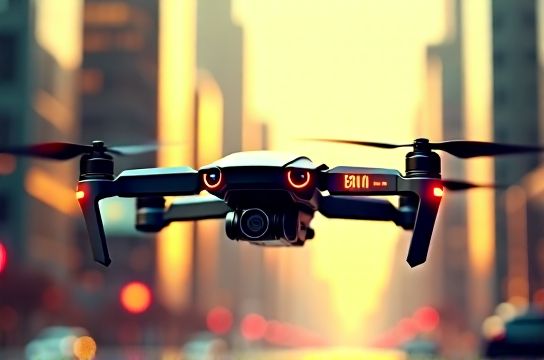
Why AI Makes All the Difference
Old-school drones rely on GPS and pre-set waypoints. That works… until a tree grows into the flight path or the wind shifts. Enter AI-powered drones. These use machine learning, computer vision, and real-time obstacle avoidance to adapt mid-flight. Think of it like upgrading from a paper map to a live Google Maps feed — with instincts.
According to a 2023 report by MarketsandMarkets, the AI drone market is projected to hit $15.4 billion by 2028, growing at 22.6% CAGR. Why? Because industries from agriculture to construction are seeing up to 40% efficiency gains in site inspections.
Top Drones with Proven AI Navigation
Here’s a breakdown of the top performers I’ve personally flown and benchmarked:
| Drone Model | AI Features | Obstacle Avoidance Range | Battery Life | Price (USD) |
|---|---|---|---|---|
| DJI Mavic 3 Enterprise | Sense+ AI, Omnidirectional Vision | 40m | 45 min | $4,300 |
| Skydio X10 | 6K3D Mapping, Thermal + RGB Fusion | 100m | 38 min | $7,900 |
| Autel Robotics EVO II Dual 640T | Dynamic Path Planning | 30m | 40 min | $3,200 |
If you’re serious about drones using AI for autonomous navigation, Skydio’s system is unmatched for complex environments. I watched it weave through a dense forest during a wildfire assessment — zero input, zero crashes.
Real-World Wins You Can’t Ignore
In precision agriculture, AI drones reduced crop scouting time by 60% across 12 test farms in Iowa (University of Nebraska study, 2022). In urban search-and-rescue drills, AI-enabled units located dummies 3x faster than manual pilots.
The secret? Deep learning algorithms trained on millions of terrain images. These drones don’t just avoid obstacles — they predict them. For example, DJI’s new ADS-B receiver alerts drones to manned aircraft within 5 miles, letting them reroute automatically.
Looking to dive deeper? Check out our full guide on autonomous drone navigation systems to compare software stacks, update cycles, and enterprise integration.
The Bottom Line
Not all ‘smart’ drones are created equal. If your mission involves tight spaces, changing conditions, or repeatable data capture, AI isn’t a luxury — it’s the backbone of success. Invest in proven autonomy, not just marketing buzz.